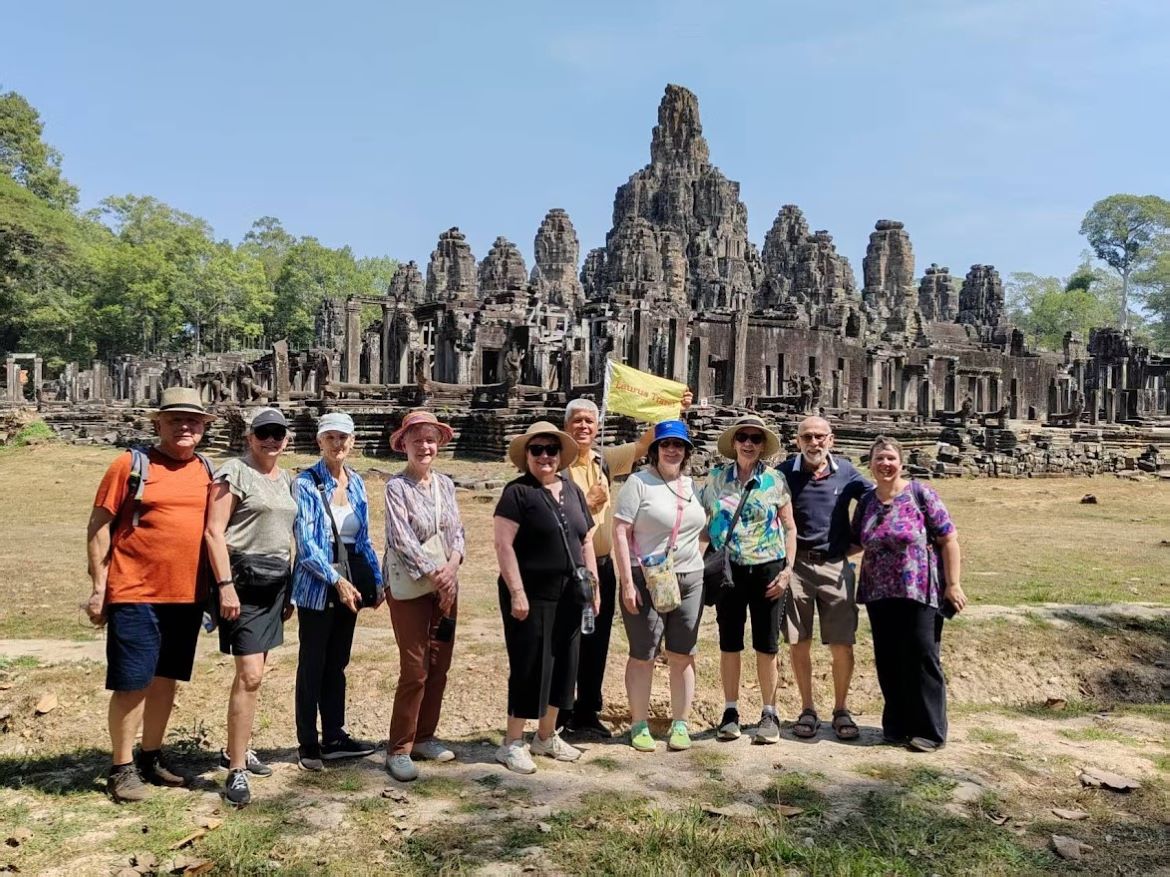
After decades of organizing journeys throughout Asia, we have found that most travellers enjoy healthy, trouble-free trips. The key is simple preparation. A consultation with your physician before departure, appropriate travel insurance, and a few sensible precautions during your journey will help ensure that you can focus on what matters most: experiencing the people, cultures, and landscapes that make travel so rewarding.
The information below is intended as general guidance. Because health recommendations vary by destination and individual circumstances, we encourage all travellers to seek personalized advice from their physician or a travel health clinic before departure.
Vaccinations
At present, none of the countries featured in our tours require inoculation certificates for entry under normal circumstances. However, health recommendations can change, and travellers should verify current requirements before departure.
Altitude Sickness
Travellers visiting Tibet, Zhongdian (Shangri-La), or Kashgar will spend time at elevations ranging from approximately 3,300 to 4,700 metres (10,800 to 15,400 feet). If your itinerary includes any of these destinations, we strongly recommend discussing altitude-related concerns with your physician well before departure. Your doctor may recommend preventative measures or medications such as acetazolamide (Diamox).
Food and Water Safety
A sensitive stomach is one of the most common challenges travellers face when visiting a new country. Even when food is prepared safely, unfamiliar ingredients and cooking methods can occasionally cause digestive discomfort.
Whenever possible, choose freshly prepared, thoroughly cooked food and exercise caution with uncooked dishes. Tap water is generally safe to drink in Japan, Singapore, and Hong Kong, but bottled or boiled water is recommended in most other destinations. When purchasing bottled water, ensure that the seal is intact.
Hygiene Essentials
We recommend carrying hand sanitizer, tissues, or a small roll of toilet paper during your travels. In some destinations, public washrooms may not be stocked with soap, paper towels, or toilet paper. Wet wipes can also be useful, particularly when visiting temples or remote areas where facilities may be limited.
Stomach Upset and Traveller’s Diarrhea
Digestive issues are among the most common travel-related health concerns. Good hand hygiene, drinking safe water, and choosing freshly cooked food are the most effective ways to reduce the risk.
Travellers who are concerned about traveller’s diarrhea may wish to speak with their physician before departure about appropriate medications to bring along. Over-the-counter remedies may help manage symptoms, while prescription treatments may be advisable for certain destinations or travellers with specific medical needs.
Most importantly, stay hydrated and seek medical attention if symptoms become severe or persistent.
Travel Insurance
Comprehensive travel medical insurance is strongly recommended for all travellers. While quality medical care is readily available in many destinations, standards and accessibility can vary. Adequate insurance provides peace of mind and protection against unexpected medical expenses while travelling abroad.
With sensible precautions and a little preparation, most travellers enjoy a healthy, trouble-free journey and can focus on what matters most: discovering extraordinary places and cultures.