
Laurus Travel offers premium small-group tours to India, Nepal, Bhutan and Sri Lanka, featuring exceptional guides, authentic cuisine, and a focus on culturally enriching experiences.
Indian Subcontinent Tours
| Tour Name | Visiting | Description |
| 10-day Best of Bhutan | Thimphu – Punakha – Phobjikha Valley – Paro | Bhutan is a Himalayan kingdom celebrated for its dramatic mountain scenery, distinctive Buddhist culture and well-preserved traditions. This tour takes you through its beautiful valleys, historic dzongs and traditional villages, culminating in a visit to the spectacular Tiger’s Nest Monastery. |
| 12-day Sri Lanka Discovery | Colombo – Habarana – Sigiriya – Anuradhapura – Kandy – Ella – Galle – Colombo | This journey through Sri Lanka weaves together centuries of history, vibrant culture, and breathtaking scenery. Explore UNESCO World Heritage cities, majestic fortresses, and serene temples; wander through bustling markets and tranquil botanical gardens. Experience the warmth of local hospitality, sample aromatic spices during hands-on cooking classes, and relax in luxury hotels. |
| 14-day Essential India | New Delhi – Varanasi – Khajuraho – Orchha – Agra – Jaipur – New Delhi | With a strong focus on history and culture, this premium small-group tour features a collection of UNESCO-designated World Heritage Sites including Taj Mahal (Agra) and Amber Fort (Jaipur). Also among the highlights are traditional bazaars in Delhi, magnificent stone carvings in Khajuraho, and the consecrate Ganga Aarti ceremony in Varanasi. |
| 16-day Highlights of India | New Delhi – Varanasi – Khajuraho – Orchha – Agra – Fatehpur Sikri – Ranthambore National Park – Jaipur – New Delhi | This itinerary serves as an excellent introduction for first-time visitors to India. Trip highlights include Taj Mahal (Agra), Amber Fort (Jaipur), sacred Hindu religious ceremonies (Varanasi), erotic stone sculptures (Khajuraho), and wildlife sighting in Ranthambore National Park, famous for Bengal tigers. |
| 18-day Nepal & Bhutan | Kathmandu – Chitwan – Pokhara – Kathmandu – Thimphu – Punakha – Phobjikha Valley – Paro | This unique itinerary takes you on an epic journey through Nepal and Bhutan, two countries with perfect combinations of nature and culture. The beauty of the picturesque Himalayan range, roaring rivers, lush green paddy fields, wild animals in their natural habitat, and quaint little villages will impress even the most seasoned travellers. |
| 19-day India – West & South | New Delhi – Udaipur – Ahmedabad – Mumbai – Goa – Kochi – Bengaluru – Hampi – New Delhi | Designed primarily for travellers who have already explored Delhi, Agra and Jaipur, this luxury tour offers a broader perspective on India’s diverse cultural and historical heritage. From the royal palaces of Udaipur and the colonial architecture of Goa and Kochi to the magnificent ruins of Hampi, the journey reveals a different side of India. Visits to Mumbai, the country’s financial capital, and Bengaluru, its leading technology hub, offer a glimpse of modern India and its rapidly changing economy. |
| 26-day Classic India | New Delhi – Varanasi – Khajuraho – Orchha – Agra – Fatehpur Sikri – Ranthambore National Park – Jaipur – Udaipur – Ahmedabad – Mumbai – Goa – Kochi – New Delhi | This comprehensive tour takes you through the rich cultural and historical landmarks of India showcasing a long list of UNESCO World Heritage Sites. You’ll have opportunities to interact with locals through village visits. Traditional performances and fine food are also important features. |
| 26-day Grand Himalayan Adventure | Kathmandu – Chitwan – Pokhara – Kathmandu – Thimphu – Punakha – Phobjikha Valley – Paro – Kathmandu – Lhasa – Shigatse – Mt. Everest Base Camp – Tingri – Shigatse – Lhasa | This Grand Himalayan Adventure brings together three of Asia’s most fascinating destinations: Nepal, Bhutan and Tibet. Beginning in Kathmandu, the journey takes us through Nepal’s ancient cities, the wildlife-rich Chitwan National Park and the scenic landscapes of Pokhara. In Bhutan, we explore historic monasteries, imposing fortresses and peaceful mountain valleys before continuing to Tibet, where the highlights include Lhasa’s magnificent Potala Palace, sacred Buddhist monasteries and an excursion to Everest Base Camp. |
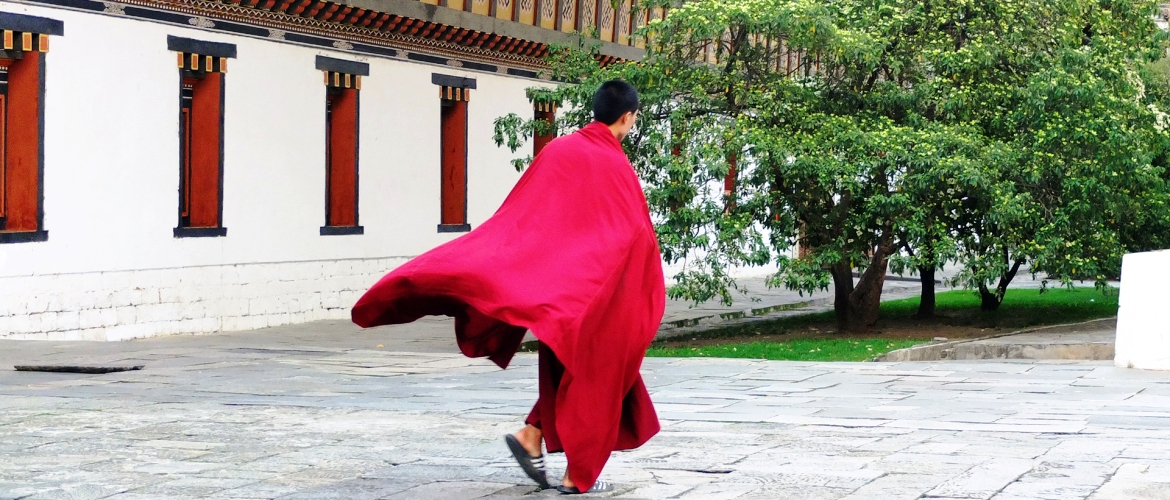
Best Time to Visit India
In the case of India, the country can be visited all year round considering the diverse climatic patterns of different regions. However, if this is your first trip to India and you only want to cover the most popular highlights (Delhi, Agra, Varanasi, Rajasthan, Madhya Pradesh etc.), you should go between November and March when it is cool and dry. A trip including Kerala and Tamil Nandu is better done between January and March. If you are interested in hiking the Himalayas, then April, May, August and September would be the best months.
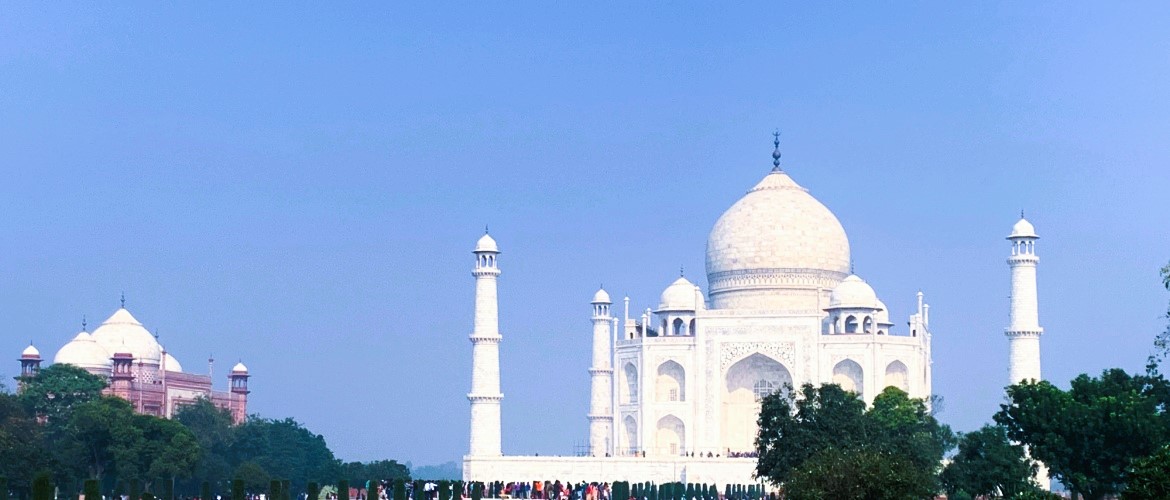
Best Time to Visit Bhutan
Bhutan has four distinct seasons with a mild climatic pattern which makes the small Himalayan kingdom a year-round destination. Most international visitors come to Bhutan in spring (March, April and May). Summer (June, July and August) is pleasant but roads can get washed out by heavy rainfalls as this is the monsoon season. The best time to visit Bhutan is arguably from October to December when the sky is clear and the air fresh and cool (chilly after dark), giving a visitor a clear view of the snow-capped Himalayan mountains.

Best Time to Visit Sri Lanka
The best time to visit Sri Lanka depends on the region and interests. Generally, the finest weather is from December to March, especially on the south and west coasts and in the central highlands. For those wishing to explore the north and east coasts, the best months are April to September, when those regions are sunnier and drier.
The southwest monsoon (May to September) brings rain mainly to the south and west, while the northeast monsoon (October to January) affects the north and east.

Best Time to Visit Nepal
The best time to visit Nepal is during the autumn (September to November) and spring (March to May) seasons.
In autumn, skies are clear after the monsoon, visibility is excellent, and numerous cultural festivals take place. This is the peak trekking season, with temperatures in popular regions like Kathmandu and Pokhara hovering around 20–30°C.
During the warm spring season, the weather is stable, making it ideal for outdoor activities. This is also the time of year when flowering plants put on a show. At this time, temperatures begin to rise, but humidity remains manageable.
Seasons to avoid are summer (June to August) and winter (December to February). Monsoon season (June to August) brings heavy rainfalls, leading to muddy trails, risk of landslides, and limited mountain views, making travel and trekking challenging. Winter (December to February) weather is cold and harsh for mountain trekking, although lower altitude regions stay more comfortable and the skies are clear.
