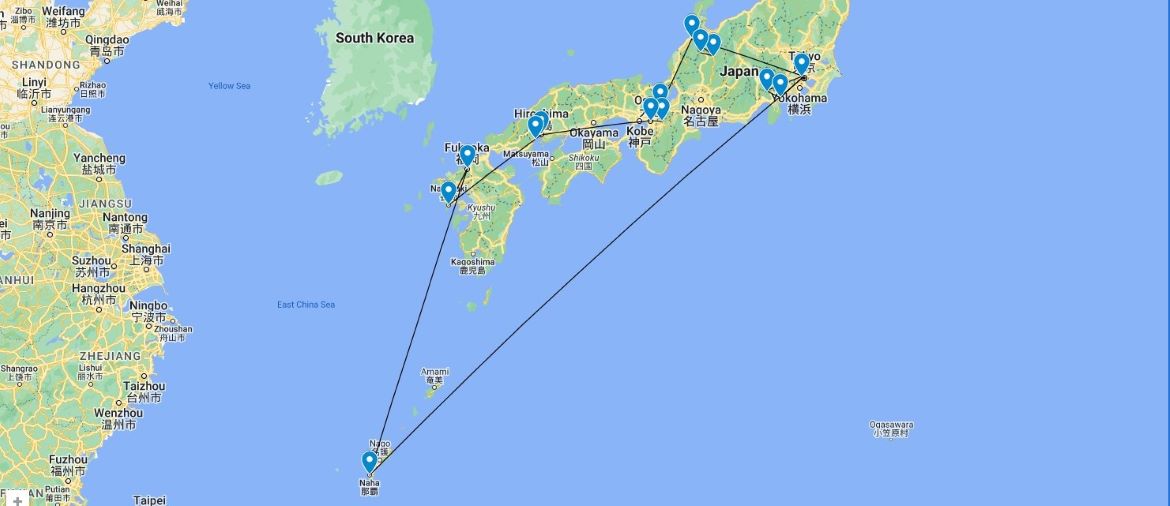
Tokyo – Mt. Fuji – Hakone – Kanazawa – Takayama – Shirakawa – Kyoto – Nara – Osaka – Hiroshima – Miyajima – Nagasaki – Naha – Tokyo
The 19-day Classic Japan Tour takes you well beyond the familiar sights of Tokyo and Kyoto. In addition to Japan’s celebrated temples, gardens and historic towns, the itinerary includes Hiroshima, Nagasaki and Okinawa, three destinations that offer important insights into the country’s modern history. Along the way, you will visit Kanazawa’s beautifully preserved samurai district, the traditional mountain villages of Takayama and Shirakawa-go, and some of Japan’s finest cultural landmarks. With knowledgeable guides, carefully selected hotels and a small group size, this is a comprehensive introduction to Japan for those who want to understand the country as well as see it.
Please note that this is a physically demanding tour requiring participants to walk 5 kilometres (3 miles) per day on average and at a brisk pace. On some days, the distance covered on foot can be up to 8 kilometres (5 miles). A high level of fitness is required of all participants.
Important Features
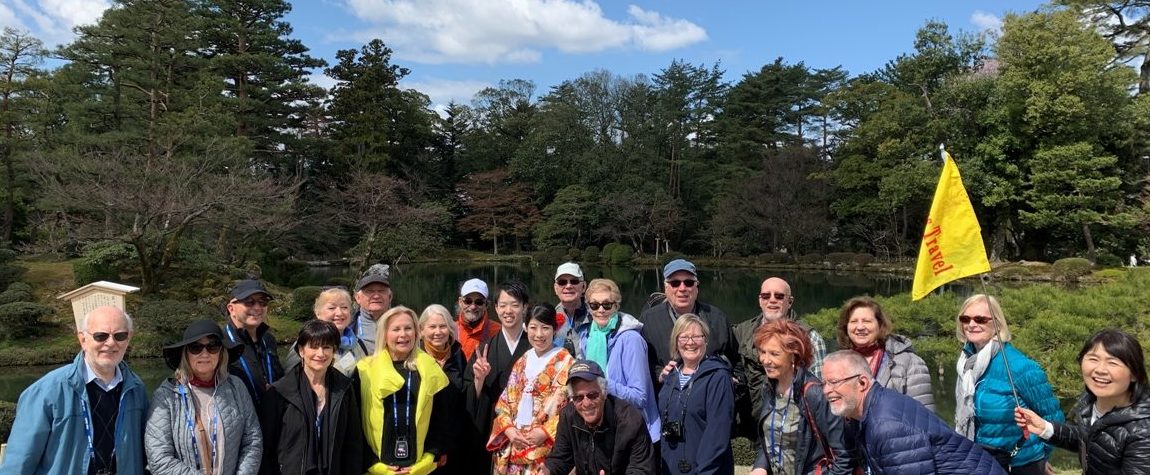
- Small group size (average 15, maximum 20).
- Expert professional guides.
- No shopping stops.
- Immersive cultural activities.
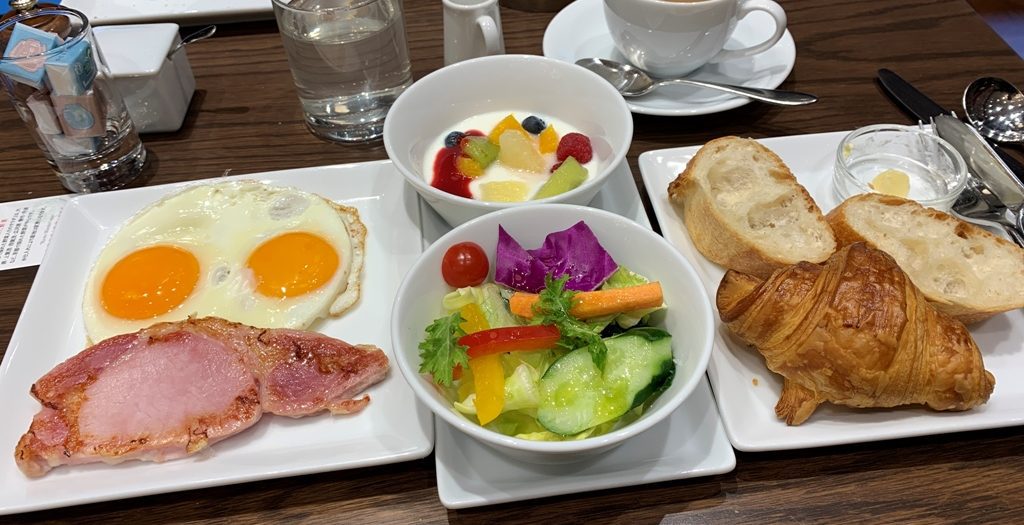
- Quality Japanese and Western cuisines.
- Special dinners featuring maiko performance.
- Post-tour Taipei extension available.
Meal Code: B = breakfast / L = lunch / D = dinner
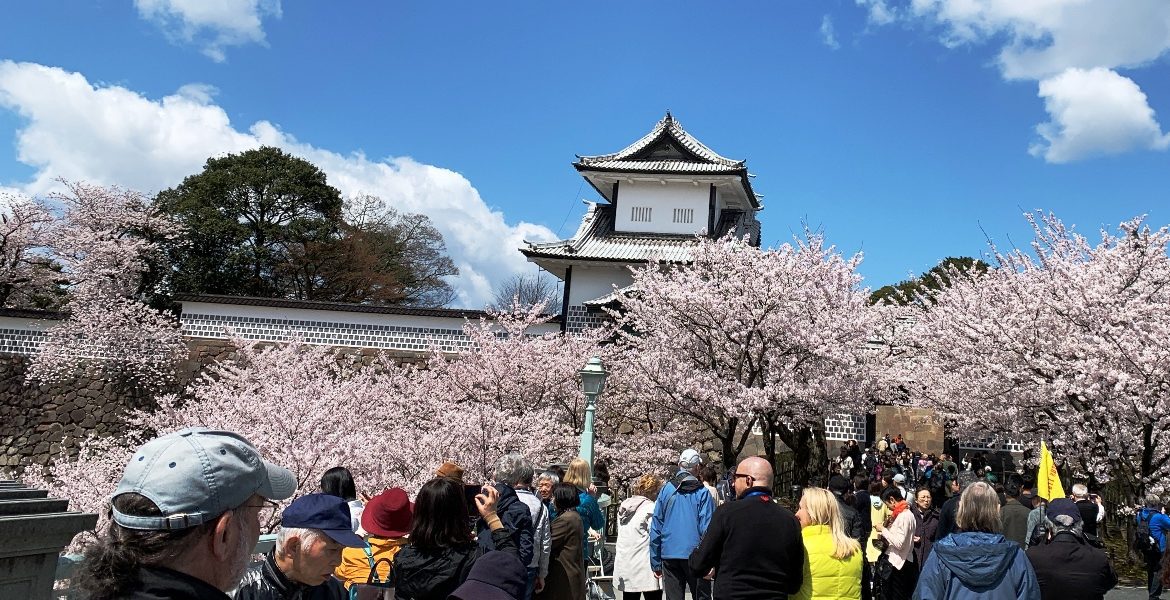
 Kanazawa Castle during cherry blossom season
Classic Japan Tour Itinerary
Meal Code: B = breakfast / L = lunch / D = dinner
Day 1/Mon: Departing Home City
The journey begins with your transpacific flight departing from a city of your choice. You’ll lose a day upon crossing the International Date Line.
Day 2/Tue: Arrival in Tokyo
Welcome to Tokyo!
Please make your way to the hotel on your own. Detailed up-to-date information on how to get to the hotel will be provided in the final update two weeks before departure. Private transfer can be arranged on request.
Day 3/Wed: Tokyo (B/L/D)
Tokyo, literally meaning “eastern capital” and officially named Tokyo Metropolis, is one of the most populous mega-cities in the world with a population of 14 million. Formerly known as Edo, the city has been the de facto seat of the Japanese government since 1603 when shogun Tokugawa Ieyasu chose the city for his headquarters. The shogun (general) was a hereditary commander ceremoniously appointed by the emperor but held real power over the country during the shogunate period between 1192 and 1867. Edo was renamed Tokyo after Emperor Meiji moved his seat from Kyoto in 1868 when the last shogun was forced to return power to the imperial court. The city covers an area of 2,187 square kilometres following the merger in 1943 of the city of Tokyo and Tokyo Prefecture.
Our full-day sightseeing begins at the plaza in front of the Imperial Palace. A stroll across the plaza accompanied by commentary on the imperial family and the history of Tokyo gets the tour off to a good start.
We then proceed to Senso-ji, Tokyo’s oldest Buddhist temple, whose origins date back to 628.
After lunch, we drive through the ritzy Ginza shopping district on the way to Meiji Jingu, a Shinto shrine dedicated to Emperor Meiji (1852 -1912) and his wife.
We end the day with a visit to the observation deck atop the Tokyo Metropolitan Government Building in Shinjuku. On a clear day, visitors can see the peak of Mount Fuji, located approximately 95 km to the west. The building complex, completed in 1990 at a cost of US$1 billion, consists of three main structures, each taking up a city block. The architect of the Tokyo Metropolitan Government Building is Kenzo Tange (1913 – 2005), who in 1987 became the first Japanese to win the Pritzker Prize for Architecture.
Welcome dinner features premium Japanese beef.
Day 4/Thu: Tokyo – Mt. Fuji – Hakone – Tokyo (B/L)
We depart at 7:45 AM for a full-day excursion to Mt Fuji and Hakone.
Mt. Fuji, the highest mountain (3,776 metres) in Japan, is a two-hour drive from Tokyo. We stop by the Fujisan World Heritage Center to view the summit and learn about the history, formation and ecology of Mt. Fuji through exhibits and a short film. However, it is purely a matter of luck whether the summit is visible as Mt. Fuji is often shrouded in clouds. Climbing Mount Fuji is not included in our itinerary. The official climbing season generally runs from early July to early September, and reaching the summit from the fifth station typically takes several hours.
We then proceed to Lake Ashi in Hakone for a half-hour cruise across the pristine alpine lake. This is followed by a 10-minute cable car ride that transports us to the station overlooking the sulphur-spewing Owakudani Geothermal Valley. On a clear day, the cable car ride provides stunning views of Mt. Fuji and its surrounding mountain slopes.
We expect to arrive back at the hotel around 6:00 PM.
Day 5/Fri: Tokyo – Kanazawa (B)
Enjoy some downtime before boarding the high-speed train (Hakutaka #561, 11:24/14:17) to Kanazawa. Be sure to grab some snacks for lunch before getting on the train.
On the shores of the Sea of Japan, Kanazawa is the capital of Ishikawa Prefecture and a medium-sized city with a population of around 460,000. Considered a jewel of Japanese tourism, the city rewards visitors with its well-preserved legacy from the Edo period.
Due to the proximity of the attractions, our sightseeing in Kanazawa is done exclusively on foot with occasional use of taxis to cover the short distances between some of the locations. Please expect to walk 5 to 8 km per day.
After hotel check-in, we walk, or go by taxi (2 km, 6 minutes) if the weather is rainy, to the Higashi Chaya district. This is one of the three preserved historical geisha districts in Kanazawa (along with Nishichayagai and Kazuemachi) where geisha still entertain today.
Day 6/Sat: Kanazawa (B/L)
Today’s sightseeing on foot begins at Omicho Market, Kanazawa’s largest fresh food market particularly well known for seafood.
From the market, Kanazawa Castle is just a few minutes away on foot. Kanazawa Castle became the seat of the powerful Maeda clan in 1583, when Maeda Toshiie took possession of the site. The castle was reconstructed multiple times following fires throughout its history.
The Hishi Yagura turret, Gojikken Nagaya warehouse and the Hashizume-mon Tsuzuki Yagura turret were faithfully restored in 2001 to their 1809 form using traditional construction methods. Today’s pillars are constructed from the Japanese Hinoki cypress along with the use of the massive American cypress as ceiling beams. The reconstructed buildings feature distinctive roof tiles made from wooden forms covered with lead sheets, which gradually turn silvery white as they weather.
From the castle, we walk across a bridge to enter Kenroku-en, which used to be part of the castle. One of the “Three Great Gardens of Japan” (Koraku-en in Okayama and Kairaku-en in Mito being the other two), Kenroku-en was developed from the 1620s to the 1840s by the Maeda clan, whose successive daimyo ruled the former Kaga Domain.
The restaurant for lunch is a 12-minute walk (700 metres) from the garden.
After lunch, we walk across the street to enter Nagamachi, a historical preservation zone where the residents still go about their daily lives among the remnants of a bygone age. A highlight of the neighbourhood is the restored Nomura Samurai House, whose small but supremely exquisite traditional garden delights visitors from around the world.
Guests who are tired of walking can go back to the hotel from the samurai house by taxi (1.4 km) for about 1,000 yen.
Day 7/Sun: Kanazawa – Takayama – Shirakawa-go – Kanazawa (B/L)
We set out at 7:40 for a full-day excursion to Takayama and Shirakawa.
Famous for its inns, sake breweries, food festivals and local folk art, Takayama (118 km southeast of Kanazawa) is a delightful town nestled amongst the Japanese Alps. Our sightseeing here takes in an open-air market, Sanmachi Historic District, and Takayama Jin’ya – government house of the region during the Tokugawa shogunate period.
After lunch, we travel northbound in the direction of Kanazawa to visit Shirakawa. Situated in a picturesque river valley, Shirakawa-go is part of the UNESCO World Heritage Site known as Historic Villages of Shirakawa-go and Gokayama. The village is famous for its traditional gassho-zukuri farmhouses, distinguished by their steeply pitched thatched roofs designed to withstand heavy snowfall.
Day 8/Mon: Kanazawa – Kyoto (B/L/D)
This morning we ride Hokuriku Shinkansen Kagayaki 503 (09:47/10:28) to Tsuruga Station, where we transfer to express train Thunderbird 16 (10:44/11:39) bound for Kyoto.
Nicknamed the “City of Ten Thousand Shrines”, Kyoto (literally meaning “capital city”) served as Japan’s capital for more than a thousand years before the imperial court moved to Tokyo in 1868 at the beginning of the Meiji Restoration (1868–1912), a period that saw Japan emerge as a modern industrial nation. Founded in 794, Kyoto was laid out on a grid pattern modelled after Chang’an, the capital of China’s Tang Dynasty (618–907), a golden age in Chinese history when Japan was strongly influenced by Chinese culture. Today, Kyoto has a population of approximately 1.4 million and forms a major part of the Kyoto-Osaka-Kobe metropolitan area.
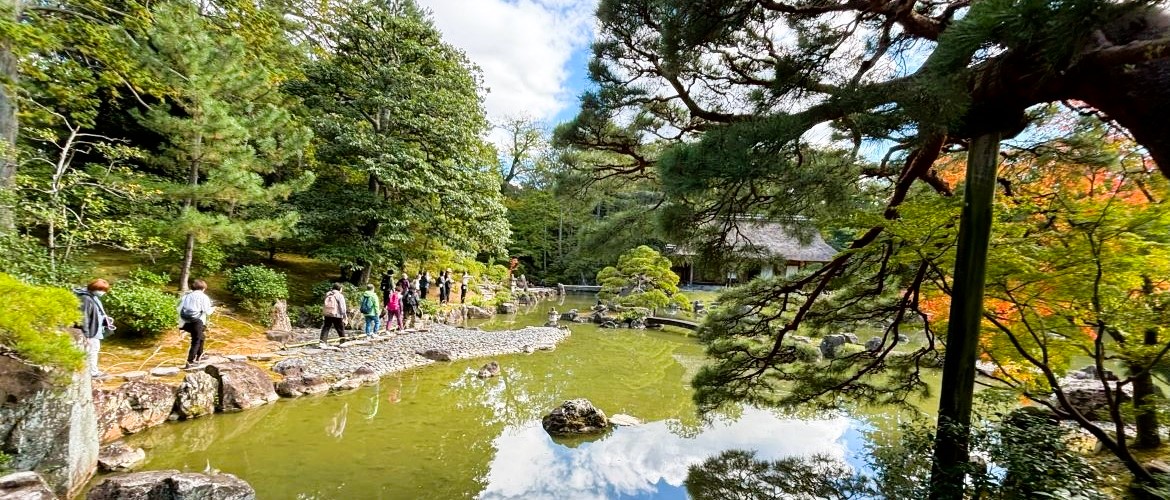
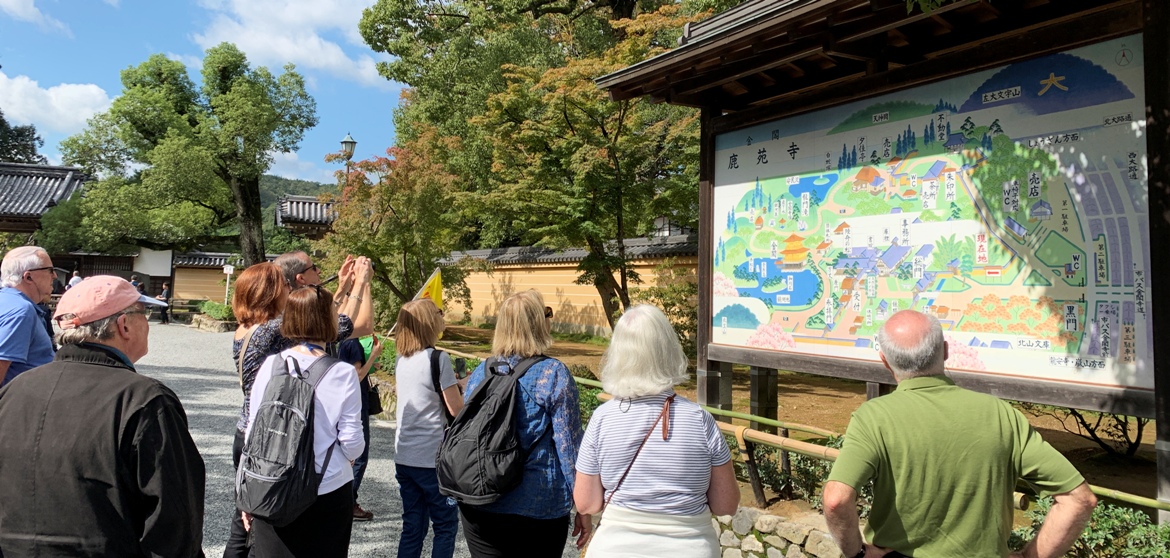
Our first stop after lunch is Kinkaku-ji (Temple of the Golden Pavilion). This is a Zen Buddhist temple and one of 17 locations comprising the Historic Monuments of Ancient Kyoto World Heritage Site.
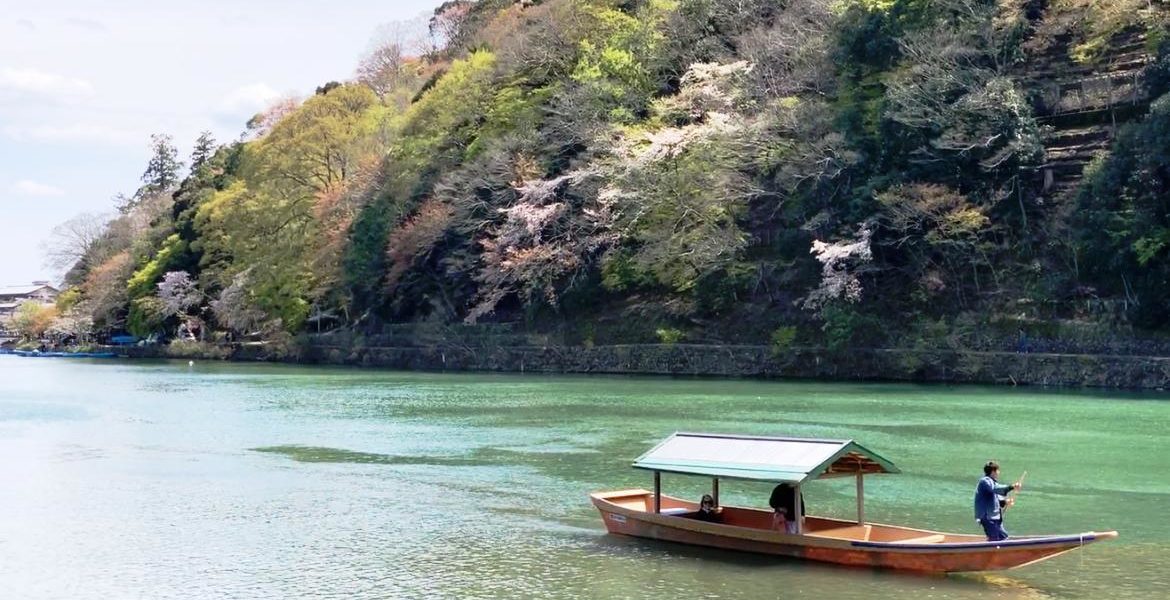
We then proceed to the Arashiyama (Storm Mountain) area where our sightseeing takes in Tenryu-ji Temple and the Bamboo Forest. Located on the western outskirts of Kyoto, Arashiyama is famous for its immense natural beauty as well as its historical and cultural prominence due to the large number of well-preserved ancient Buddhist temples.
Afterwards, we return to the hotel to freshen up before heading out for a traditional kaiseki dinner accompanied by the private performance of a maiko (geisha trainee).
Day 9/Tue: Kyoto (B)
This morning’s walking tour begins at the magnificent Nijo Castle (3 subway stops from our hotel).
Construction of the castle began in 1601 under the orders of Tokugawa Ieyasu, founder of the Tokugawa shogunate, and was completed in 1626 under the third Tokugawa shogun, Iemitsu. The Tokugawa shogunate was headquartered in Edo, present-day Tokyo, and Nijo Castle was the shogun’s residence in Kyoto where the imperial court was located. Nijo Castle is also the site that witnessed the ending of the Tokugawa shogunate. In late 1867, the last shogun, Yoshinobu, announced in the castle his decision to return power to the emperor. This was a watershed moment that helped usher in the Meiji Restoration, which, in turn, led to Japan’s industrialization and fundamentally transformed Japanese society.
Afterwards, we travel to Yasaka Shrine, one of Kyoto’s most iconic Shinto shrines, with a history of over 1,300 years. Its vibrant vermilion buildings, lantern-lit grounds, and lively atmosphere make it a beloved landmark in every season.
We then continue to the Gion district, strolling through the historic streets and catching a glimpse of the birthplace of Kyoto’s geisha culture.
Free afternoon to explore on your own.
Optional Matcha experience
Visit Entoku-in, a serene temple celebrated for its graceful gardens and timeless beauty throughout the seasons. Engage in traditional practices such as sutra copying (shakyo), Buddhist image tracing (shabutsu), and quiet contemplation of the dry landscape garden (karesansui). Conclude your visit with a bowl of matcha, prepared by a tea master or whisked by your own hand, and savor the tranquil atmosphere of the garden.
This optional experience is available at US$35/CAD$50 per person subject to a minimum of 4 participants.
Day 10/Wed: Kyoto – Nara – Osaka – Kyoto (B/L)
We depart for Nara at 07:45. The 45 km drive to the magnificent Todai-ji temple takes about an hour. This ancient Buddhist temple is well known for its splendid architecture and the huge bronze statue of the Buddha in its main hall. The surrounding Nara Park is also home to more than a thousand wild deer that roam freely among visitors.
Nara is the capital city of Nara Prefecture and a former capital of Japan (710 – 794). With a population of roughly 370,000 and an area of 280 square kilometres, the city occupies the northern part of Nara Prefecture. Eight temples, shrines and ruins together with Kasugayama Primeval Forest collectively form “The Historic Monuments of Ancient Nara” – a UNESCO World Heritage Site.
Afterwards, we continue on to Osaka, where we visit the historic Osaka Castle and Osaka’s legendary shopping and entertainment district known as Dotonbori. Situated at the mouth of the Yodo River on Osaka Bay, Osaka is one of Japan’s largest cities and plays a significant role in the Japanese economy. Osaka was once known as the “nation’s kitchen” because of its function as Japan’s rice trading centre during the Edo period.
Day 11/Thu: Kyoto – Hiroshima (B)
Today is set aside for you to explore on your own.
Our recommendations include Kiyomizu-dera (Buddhist temple), Kyoto Imperial Palace, Fushimi Inari Shrine (good for hiking), Ginkaku-ji (Silver Pavilion Temple), and Kyoto National Museum.
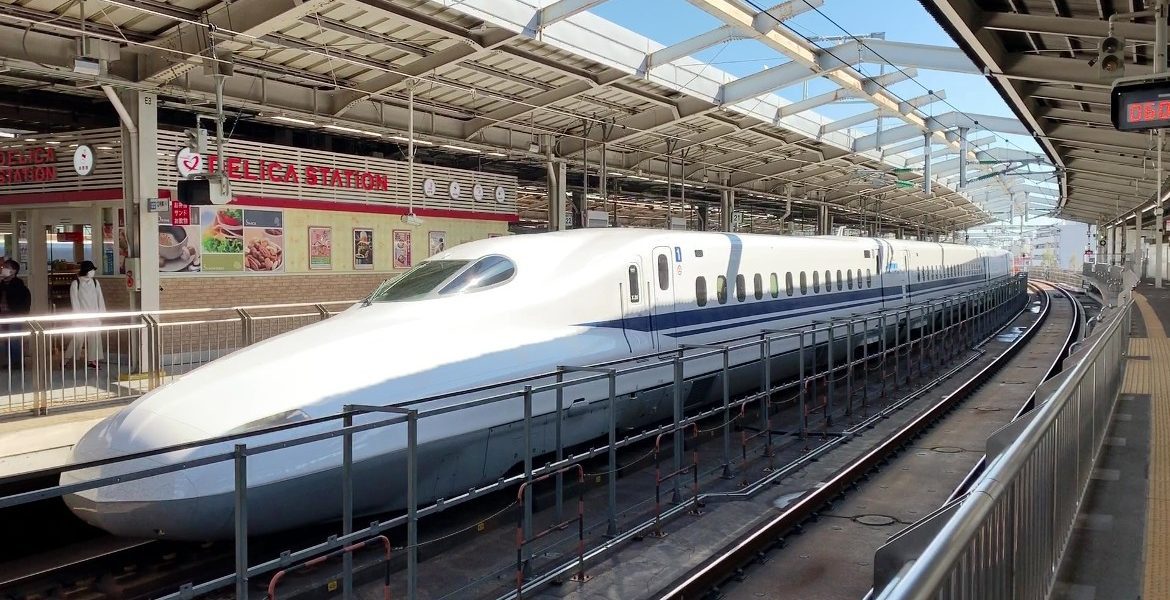
We transfer to the train station for our late-afternoon rail journey (Nozomi 39, 16:25/18:02) to Hiroshima.
Day 12/Fri: Hiroshima – Miyajima – Hiroshima (B/D)
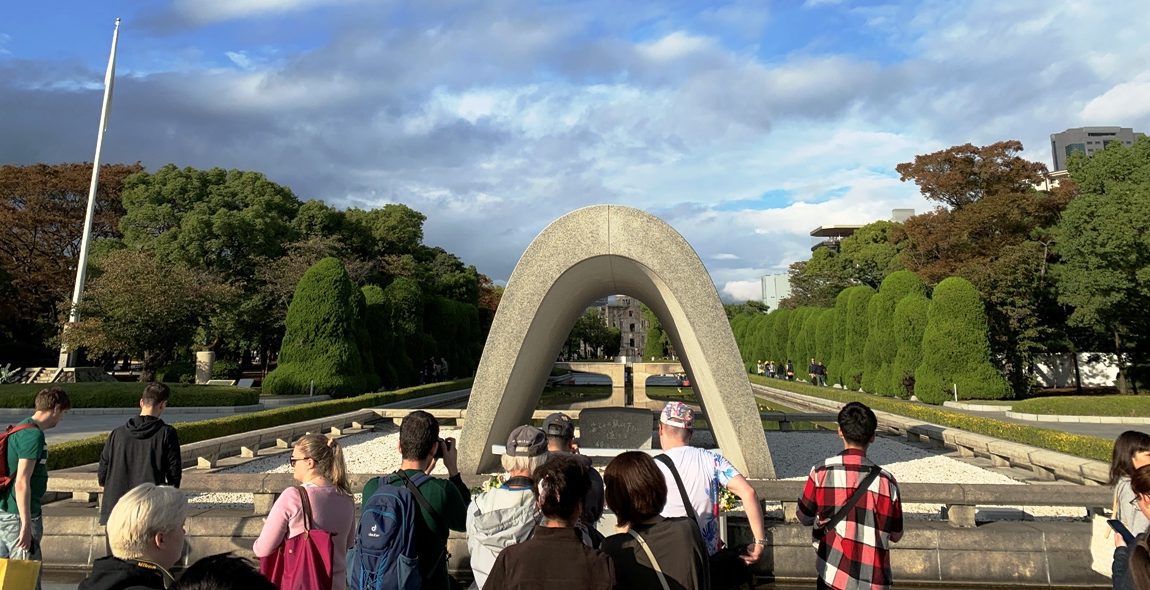
Hiroshima, literally meaning ‘broad island’, is the capital of Hiroshima Prefecture and the largest city in the Chugoku region with a population of 1.2 million. Hiroshima is best known as the first city in history to be targeted by a nuclear weapon when the United States Army Air Forces dropped an atomic bomb on the city at 8:15 a.m. on August 6, 1945, near the end of World War II. The highlight in Hiroshima, understandably but sadly, is the Peace Memorial Park which includes the Peace Memorial Museum, and the Atomic Bomb Dome (the former Hiroshima Prefectural Industrial Promotion Hall).
After a tour of the Peace Memorial Park complex including two hours in the museum onsite, we proceed to Miyajima Island by a combination of taxi, commuter train and ferry.
Officially known as Itsukushima, Miyajima is a small island (30 square kilometres, population 1,760) in Hiroshima Bay known for its forests and ancient temples. The seaside Itsukushima Shinto Shrine on the island is a UNESCO World Heritage Site and the “floating” torii gate in front of the shrine is the main reason for most visitors to come here.
Day 13/Sat: Hiroshima – Nagasaki (B)
The rail journey to Nagasaki this morning takes 2 hours 42 minutes (09:47/12:29).
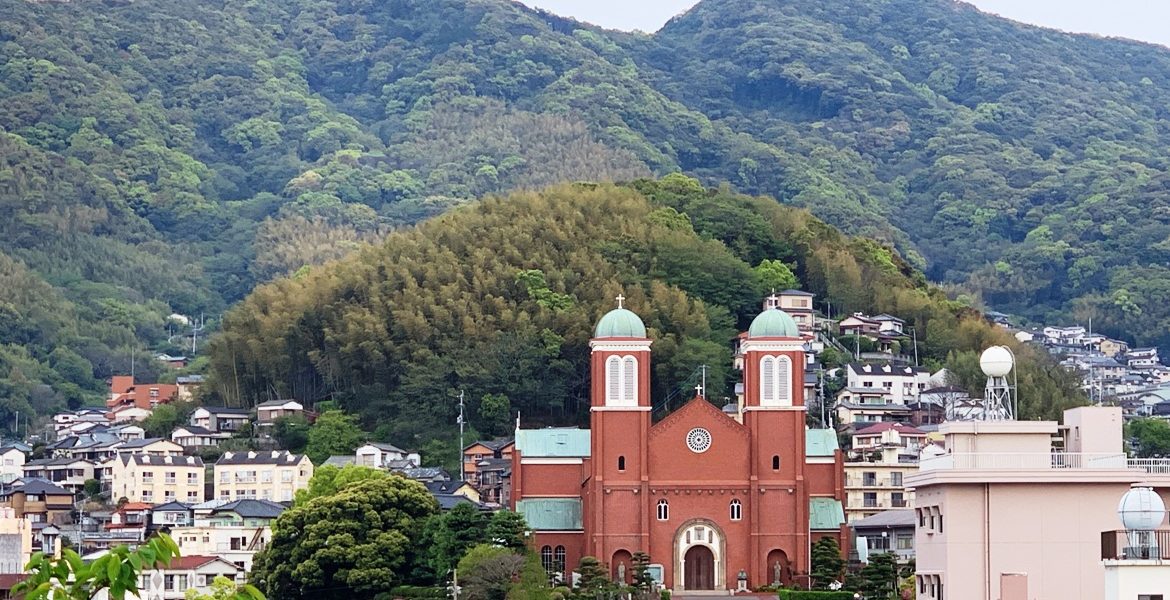
Located on the northwest coast of Kyushu, Nagasaki is the capital and largest city of Nagasaki Prefecture with a population of approximately 400,000. During the Tokugawa period (1603–1868), Nagasaki was Japan’s principal gateway for trade with China and the Netherlands. This contact with foreign merchants left a lasting mark on the city, evident in its Christian heritage and European-influenced architecture. Nagasaki was also devastated by an American atomic bomb on August 9, 1945, three days after the bombing of Hiroshima.
Afternoon sightseeing begins at Dejima, the site of the Dutch trading post. Built on reclaimed land originally intended for the Portuguese, the 2-acre island was later offered to the Dutch, who used it from 1641 to 1854.
We then proceed to Oura Church, also known as the Basilica of the Twenty-Six Holy Martyrs of Japan, followed by Glover Garden, home to the historic Glover Residence built in 1863 for Scottish merchant Thomas Blake Glover.
Day 14/Sun: Nagasaki (B/L)
Morning sightseeing includes Nagasaki Peace Park and Chinatown.
Established in 1955 near the hypocenter of the atomic bombing on August 9, 1945, the Peace Park sits next to the Atomic Bombing Museum and the Peace Memorial Hall.
Nagasaki Shinchi Chinatown is the oldest Chinatown in Japan. The area in downtown Nagasaki was originally the location of the warehouses of Chinese traders. The Chinese merchants came to Nagasaki because it was Japan’s principal port for trade with China during the Tokugawa period. Today, Nagasaki Shinchi Chinatown is a thriving district filled with a variety of shops and restaurants where visitors can find the best Champon and Sara Udon, two Chinese-influenced noodle dishes.
The afternoon is set aside for you to explore on your own. We recommend a walking tour of Teramachi (temple street), where 14 Buddhist temples and 2 Shinto shrines stand side by side. Two temples, Kofukuji and Sofukuji, are particularly famous. In the 16th and early 17th centuries, Nagasaki was a hub of international trade, with European and Chinese traders frequenting its ports. Chinese traders, who made up the majority of foreigners living in Nagasaki in those days, were avid temple builders whose enthusiasm was cheered on by the ruling shogunate in its efforts to rein in the spread of Christianity.
Day 15/Mon: Nagasaki – Fukuoka – Naha (B/D)
This morning, we travel back to Fukuoka by train (2 hours 11 minutes) for a mid-afternoon flight (1 hour 45 minutes) to Naha. Upon arrival, transfer to the hotel and enjoy the rest of the day at leisure.
Day 16/Tue: Naha (B/L)
In 1609, at the beginning of the Tokugawa shogunate, the independent Ryukyu Kingdom was invaded by the Japanese domain of Satsuma and was forced to cede the Amami Islands and become a vassal of Satsuma. In 1879, the Empire of Japan annexed the entire Ryukyu archipelago and turned it into Okinawa Prefecture. The monarchy in the capital of Shuri, now part of Naha, was abolished and the deposed king Shō Tai (1843–1901) was made to relocate to Tokyo.
During the Battle of Okinawa, one of the bloodiest battles of the Pacific War, civilians suffered tremendous casualties, many as a result of coercion and actions by the Japanese military. American forces suffered approximately 12,500 deaths and tens of thousands of wounded. The enormous casualties on both sides reinforced American concerns about the potential human cost of invading mainland Japan and contributed to the circumstances surrounding the decision to use atomic bombs against Hiroshima and Nagasaki.
Morning sightseeing takes in Shurijo Castle and Tamaudun Mausoleum.
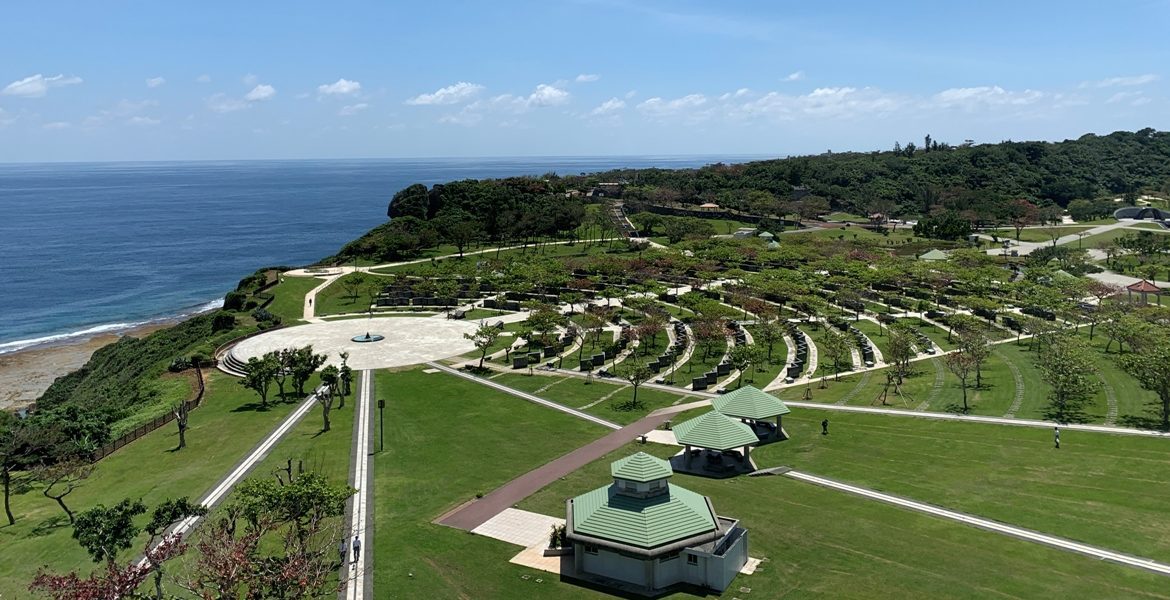
After lunch, we drive 20 kilometres through picturesque countryside to Okinawa Peace Memorial Park in Itoman, south of Naha. The park commemorates those who died during the Battle of Okinawa in 1945. A key highlight is the Peace Memorial Museum.
Day 17/Wed: Naha (B)
Today is set aside for you to explore the tropical island of Okinawa on your own. Inside the city of Naha, Shikina-en Garden and Okinawa Prefectural Museum & Art Museum are recommended. The local seafood restaurant scene is also worth checking out.
Day 18/Thu: Naha – Tokyo (B)
We travel back to Tokyo by air (2 hours 45 minutes) in the morning and transfer to the hotel on arrival. We spend the rest of the day exploring on our own.
Day 19/Fri: Return Home (B)
Your memorable Japan tour ends this morning. Transfer to Narita or Haneda airport on your own. Detailed information on Airport Limousine Bus and airport express train service will be provided in the final update.
Hotel List
Hotels are subject to change without notice. Any substitution made out of necessity would be of equal or higher category in similar or better location.
| City | Nights | Hotel | Category |
| Tokyo (1st stay) | 3 | Tokyo Dome Hotel | Premium /4 stars |
| Kanazawa | 3 | Mitsui Garden Kanazawa | Premium /4 stars |
| Kyoto | 3 | Hilton Garden Inn Kyoto Shijo Karasuma | Premium /4 stars |
| Hiroshima | 2 | Hotel Granvia Hiroshima | Premium /4 stars |
| Nagasaki | 2 | ANA Crowne Plaza Nagasaki | Premium /4 stars |
| Naha | 3 | Hotel Collective | Luxury /5 stars |
| Tokyo (2nd stay) | 1 | Tokyo Dome Hotel | Premium /4 stars |
Dates & Prices
| Depart (Mon) | Return (Fri) | Land Only* CA$/US$ | Single Supplement CA$/US$ |
| 2027 | |||
| 15-Mar | 02-Apr | $14,280/$10,200 | $4,645/$3,390 |
| 29-Mar | 16-Apr | $14,280/$10,200 | $4,645/$3,390 |
| 05-Apr | 23-Apr | $14,280/$10,200 | $4,645/$3,390 |
| 12-Apr | 30-Apr | $14,280/$10,200 | $4,645/$3,390 |
| 10-May | 28-May | $13,650/$9,750 | $4,355/$3,180 |
| 17-May | 04-Jun | $13,650/$9,750 | $4,355/$3,180 |
| 24-May | 11-Jun | $13,650/$9,750 | $4,355/$3,180 |
| 04-Oct | 22-Oct | $13,790/$9,850 | $4,495/$3,280 |
| 11-Oct | 29-Oct | $14,140/$10,100 | $4,495/$3,280 |
| 18-Oct | 05-Nov | $14,140/$10,100 | $4,495/$3,280 |
| 25-Oct | 12-Nov | $14,280/$10,200 | $4,495/$3,280 |
| 01-Nov | 19-Nov | $14,280/$10,280 | $4,495/$3,280 |
| 08-Nov | 26-Nov | $14,280/$10,280 | $4,495/$3,280 |
| 2028 | |||
| 13-Mar | 31-Mar | $14,280/$10,200 | $4,645/$3,390 |
| 27-Mar | 14-Apr | $14,490/$10,350 | $4,645/$3,390 |
| 03-Apr | 21-Apr | $14,490/$10,350 | $4,645/$3,390 |
| 10-Apr | 28-Apr | $14,490/$10,350 | $4,645/$3,390 |
| 08-May | 26-May | $13,830/$9,880 | $4,355/$3,180 |
| 15-May | 02-Jun | $13,830/$9,880 | $4,355/$3,180 |
| 22-May | 09-Jun | $13,830/$9,880 | $4,355/$3,180 |
| 02-Oct | 20-Oct | $13,830/$9,880 | $4,495/$3,280 |
| 09-Oct | 27-Oct | $14,280/$10,200 | $4,495/$3,280 |
| 16-Oct | 03-Nov | $14,280/$10,200 | $4,495/$3,280 |
| 23-Oct | 10-Nov | $14,490/$10,350 | $4,495/$3,280 |
| 30-Oct | 17-Nov | $14,490/$10,350 | $4,495/$3,280 |
| 06-Nov | 24-Nov | $14,490/$10,350 | $4,495/$3,280 |
* Land Only price does not include international airfare. Contact us for a fare quote.
Tour price includes:
| Tour price does NOT include:
See Terms & Conditions for more information. |
Classic Japan Tour — Q&A
Passport & Visa
Your passport needs to have at least one blank visa page and six months validity at the end of the tour.
If you are a tourist from Canada, the US, the UK, Australia and New Zealand, you do not need a visa to enter Japan as long as your stay is within 90 days.
Vaccination
No vaccination of any kind is mandatory. Vaccination against hepatitis A is highly recommended.
Travel Insurance – When to Buy
Your deposit will be kept as credit if you cancel for any reason. The transferrable credit has no expiration date. Therefore, it may be unnecessary to spend $30 to $50 on cancellation insurance just to protect the deposit.
However, purchase of trip cancellation & emergency medical insurance is strongly advised when your balance is due. If you don’t have proper coverage, the loss can be devastating in case of cancellation before or after commencement of the booked trip or in case of a serious medical emergency during the trip. Please ask us for premium quotes when your balance due date is near.
3-night Taipei Post-tour Extension
Day 18/Thu: Naha – Taipei (B)
You are flying to Taipei today while the rest of the group returns to Tokyo.
The morning or early afternoon flight from Naha to Taipei takes about 1 hour and 45 minutes. Private transfers at both ends are included. However, no sightseeing is scheduled for today.
Day 19/Fri: Taipei (B/L/D)
Taipei is the capital of the Republic of China (ROC) in Taiwan. ROC should not be confused with the People’s Republic of China (PRC) under the rule of the Chinese Communist Party. With a population around 2.5 million (2023), Taipei is also the economic, educational and cultural center of Taiwan and one of the major hubs of air transportation in East Asia.
Our walking tour this morning begins at Chiang Kai-shek Memorial Hall, which is followed by the Presidential Palace, National 228 Memorial Park, and Taipei Botanical Garden. Be prepared to walk 3-4 kilometres this morning.
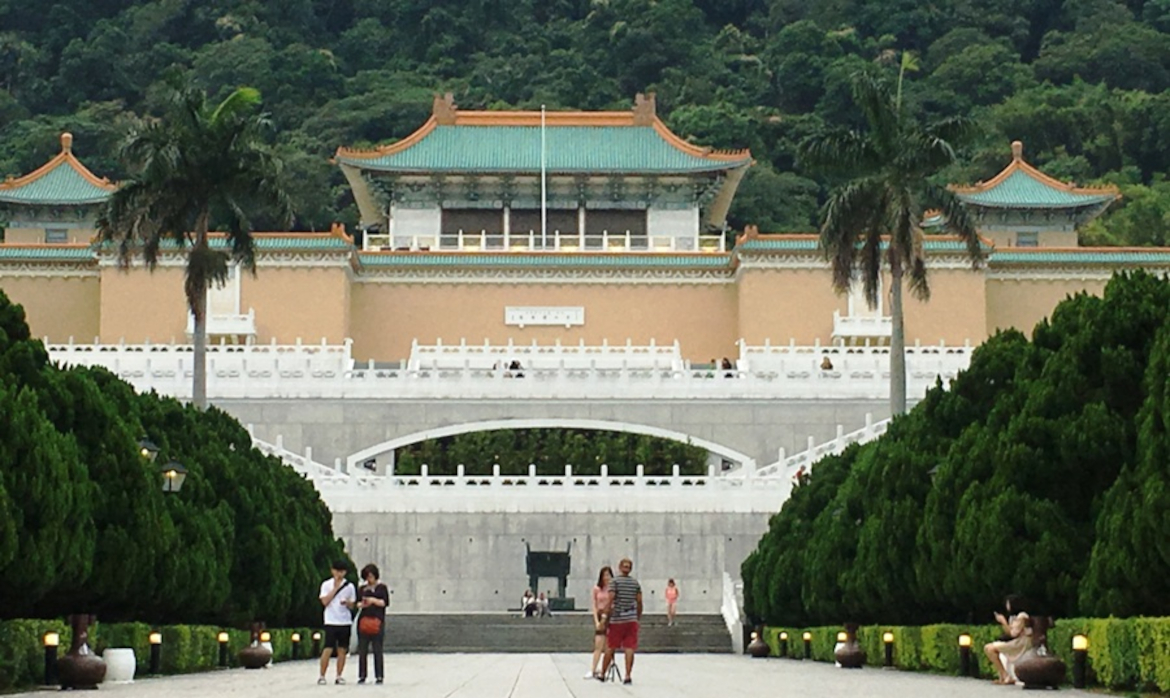
We spend the afternoon exploring the National Palace Museum which houses a huge collection of national treasures removed from the Forbidden City in Beijing when the national government under the Nationalist Party (Kuomintang, KMT) fled to Taiwan in 1949.
The visit to the 508-metre-tall Taipei 101, a new symbol of the city, takes place after dinner.
Day 20/Sat: Taipei (B)
Free day to explore on your own.
We recommend Dr. Sun Yat-sen Memorial Hall and Dalongdong Bao’an Temple. The latter is an old house of worship that embraces Taoism, Buddhism and Confucianism all at the same time.
We also highly recommend a night market, such as the famous Shilin Night Market, for mouth-watering street food. The markets are crowded but nonetheless very safe. Everyone should be able to find something to their liking due to the abundance of choices available.
Day 21/Sun: Returning Home (B)
Your Taipei excursion ends this morning. Your transfer to the airport by private vehicle is included.
Prices per person based on double occupancy: US$1,190/CA$1,660
Tour price includes:
| Tour price does NOT include:
See Terms & Conditions for more information. |