
Consumers often wonder why Japan travel is getting so expensive despite the sharp depreciation of the Japanese yen against so many currencies including the US and Canadian dollars. Even without international airfare included, Japan tour packages are costing a lot more today than before the COVID-19 pandemic. The high cost is being felt by independent travelers as well.
The higher cost of Japan travel can be attributed to the following factors:
1. Increased Demand Post-Pandemic
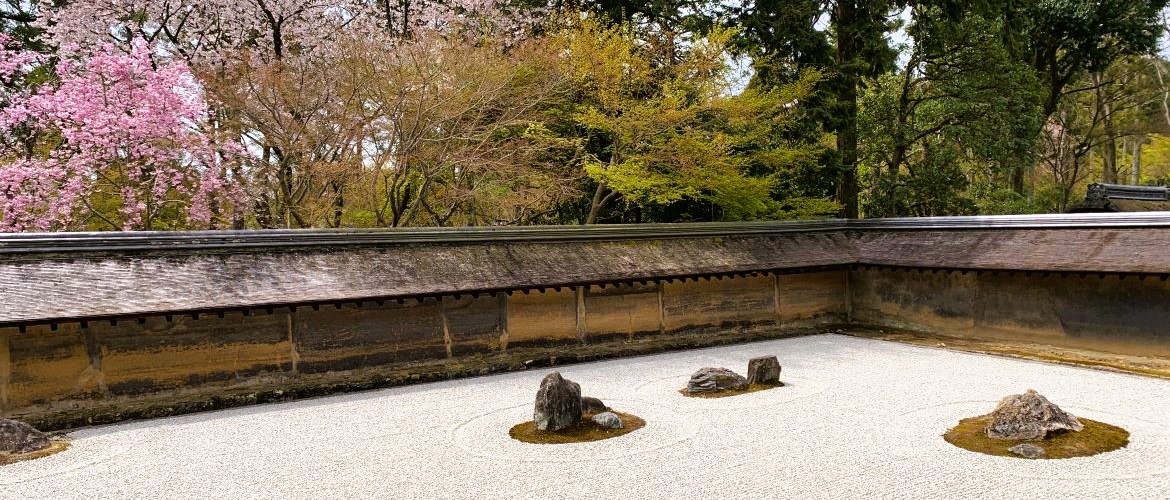
Japan has been experiencing a massive surge in tourist arrivals in the wake of the COVID-19 pandemic. There are no indicators to show a dramatic slowdown. Japanese culture and the allure of destinations like Tokyo, Kyoto, and Osaka have drawn travelers worldwide. This heightened demand, especially during peak seasons like the cherry blossom period in March and April, has led to increased prices for flights and accommodations.
2. Rising Costs due to Surging Inflation
The pandemic caused worldwide inflation. This is being acutely felt across Japan where materials and labour cost are going through the roof. Anyone who follows what’s going on in Japan is aware of this. Despite rapid wage increases, the average Japanese households still have to cut back on so many things, especially grocery, to get by. The inflation is diluting everyone’s buying power and everyone who is working demands higher pay.
Outsiders who visit Japan often, like Laurus Travel’s Canadian staff, often express dismay over the soaring costs of hotels and food. To give you an idea, a bowl of ramen costing 700 or 800 yen before the pandemic now cost around 1500 yen. Another example is the cost of Keio Plaza Hotel Tokyo, where a room prior to the pandemic could be had for 25,000 yen during the busy cherry blossom season. Today, the cost is triple or quadruple if you can get a room at all.
3. Regulatory Measures due to Over-tourism
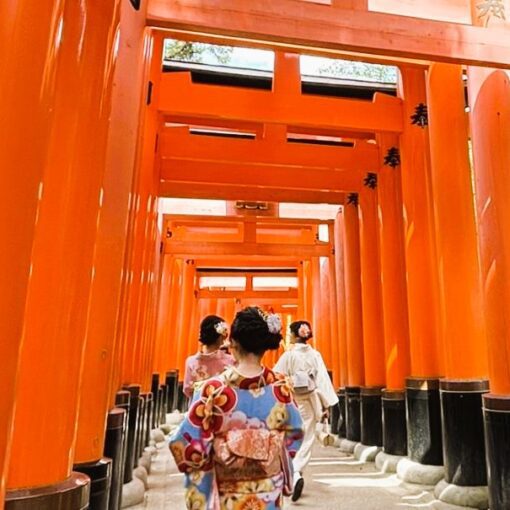
The surge in tourist numbers has led to overcrowding in popular destinations, especially Kyoto, prompting local authorities to implement measures to manage the influx to pacify local residents. Entrance fees to most popular tourist attractions have doubled or tripled in the past three years. Some cities are already using dual pricing systems on lots of things, which require foreign visitors to pay much more than locals. That’s in addition to hefty accommodation levies — just google Kyoto hotel room tax.
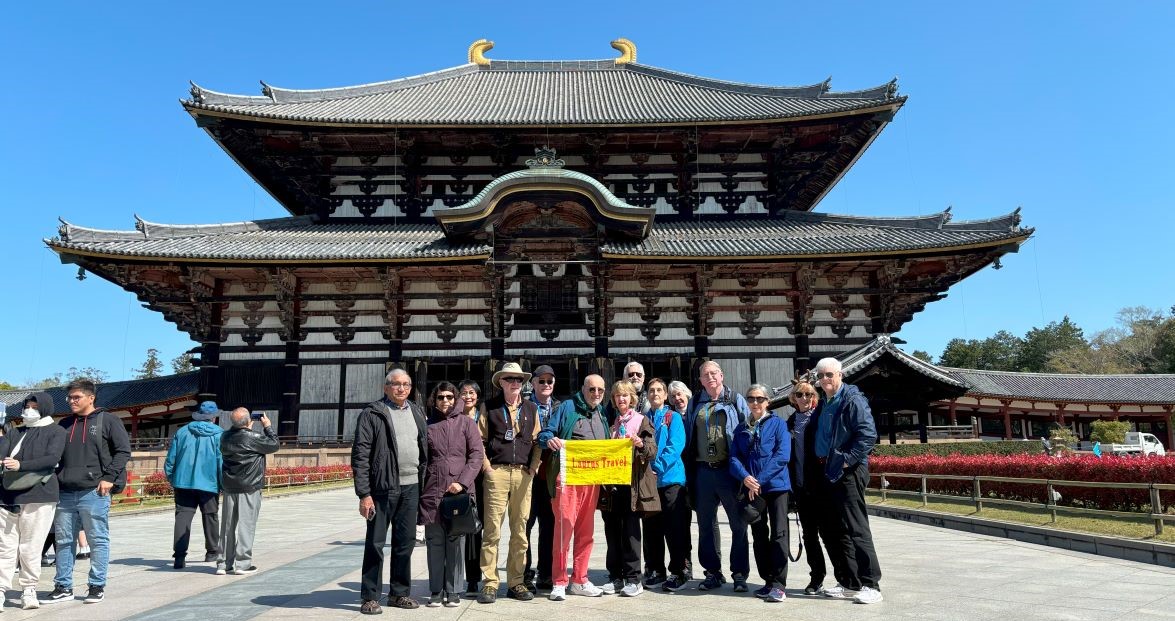
In summary, the combination of increased demand, rising operational costs, and regulatory measures to manage over-tourism has made Japan a much more expensive travel destination compared with a few years ago.
However, in all fairness, Japan as a developed economy with so much to offer to the visitor is still very affordable in comparison to other developed countries in Europe and North America.
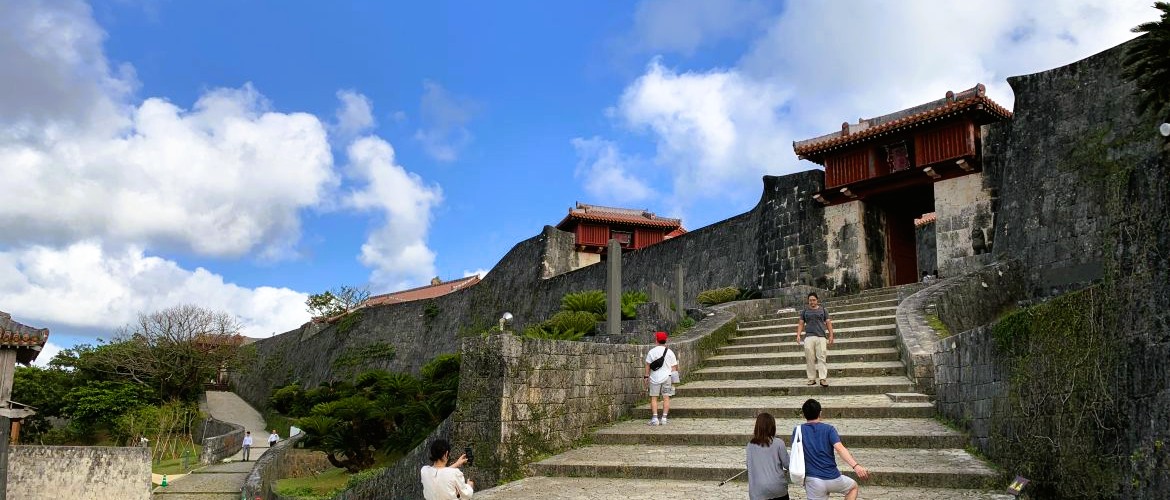
How to Save Money on Japan Travel
Go in winter when demand is weak. That means December, January and February. If you can stand the cold and sometimes wet weather, you can save lots of money on airfare and hotels. You’ll save on admission charges as well at most popular tourist attractions in Japan, especially those in Kyoto, practise seasonal pricing.