There are five airlines offering direct flights between Canada and Japan. They are Air Canada, WestJet, Japan Airlines, All Nippon Airways and Zipair.
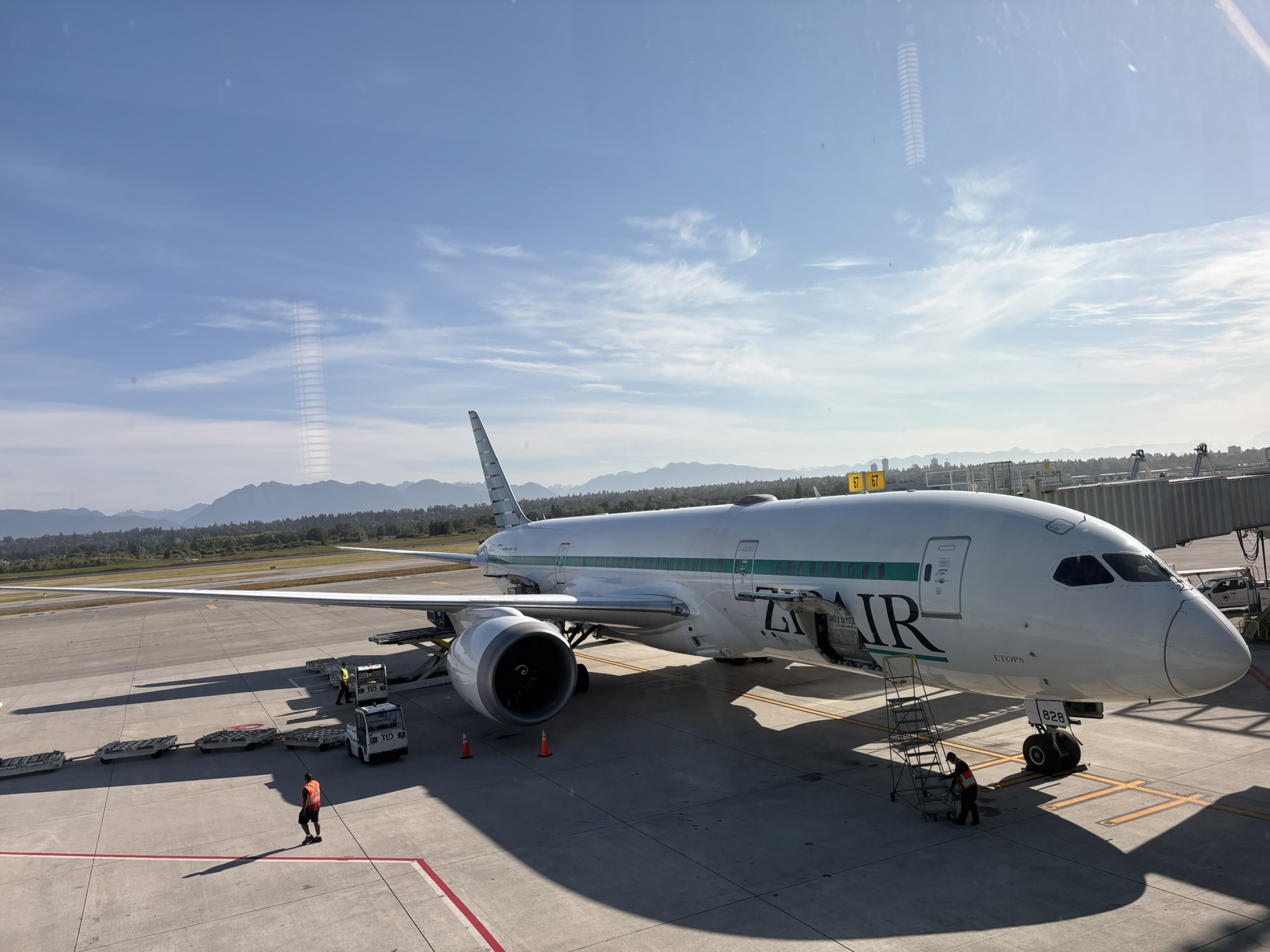
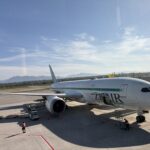
Zipair is a relatively new entrant to the game. It is a low-cost carrier owned by Japan Airlines. ZIPAIR currently offers daily non-stop flights between Vancouver and Tokyo.
Best Airlines for Travel to Japan from Canada
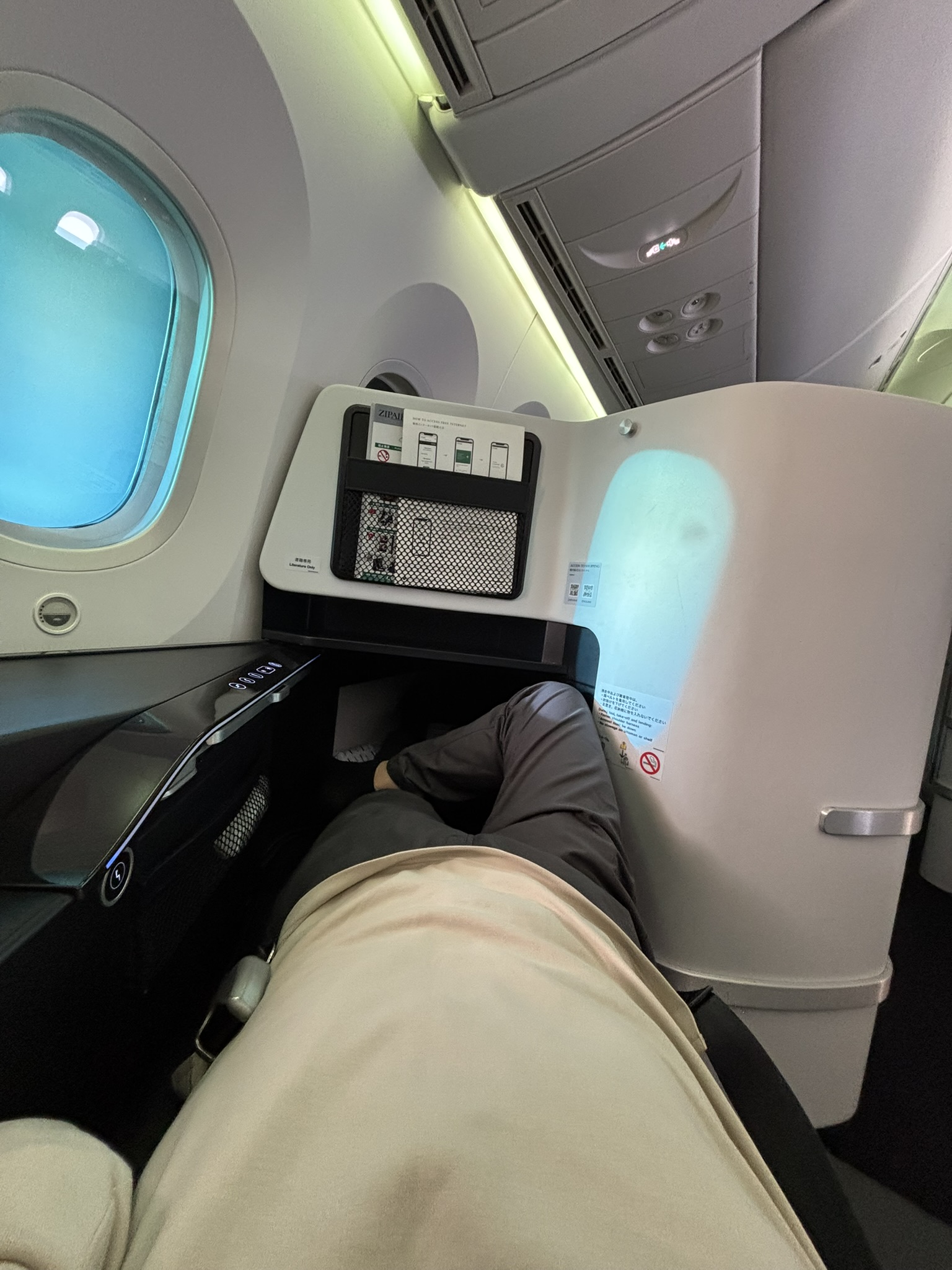
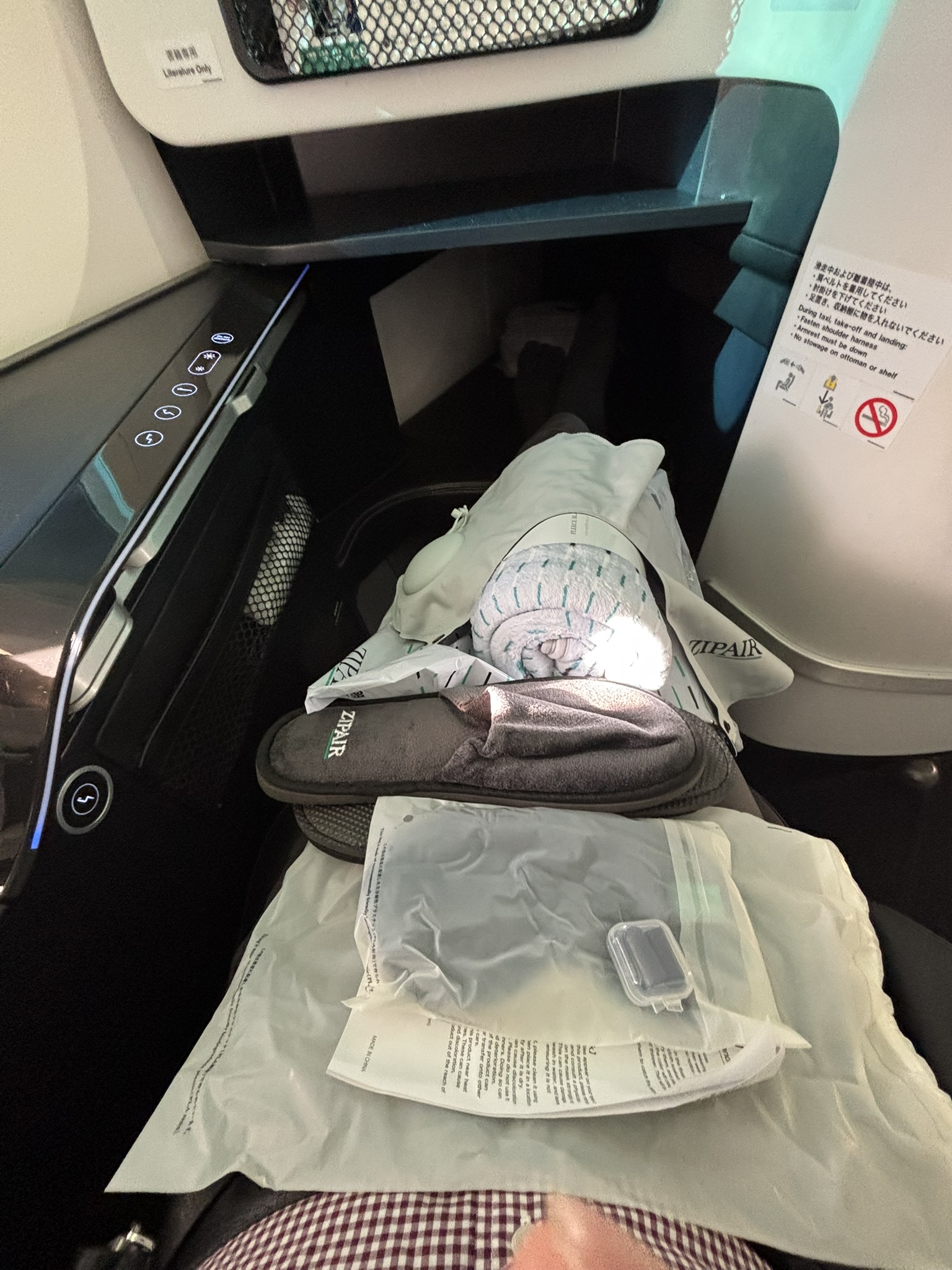
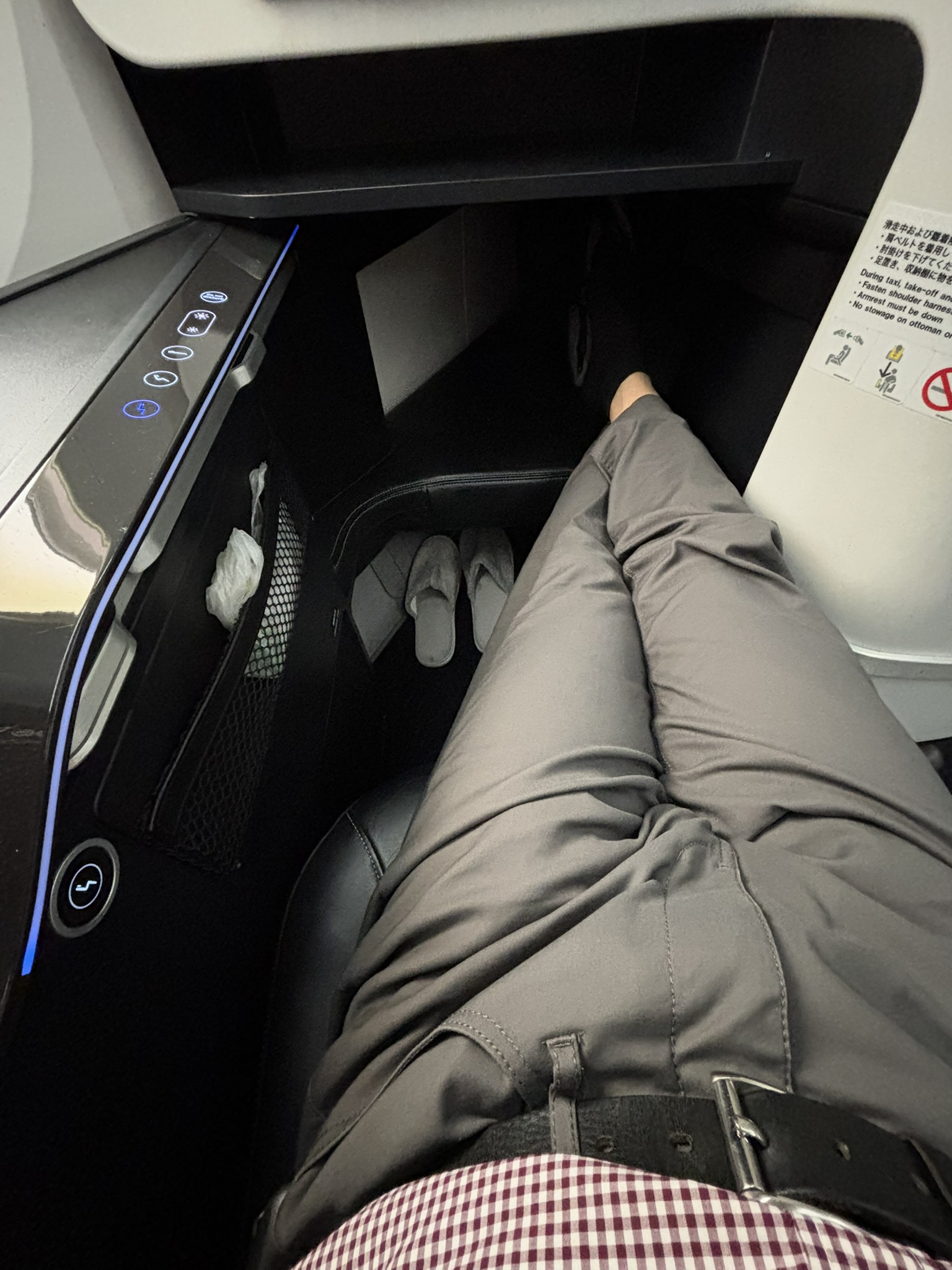
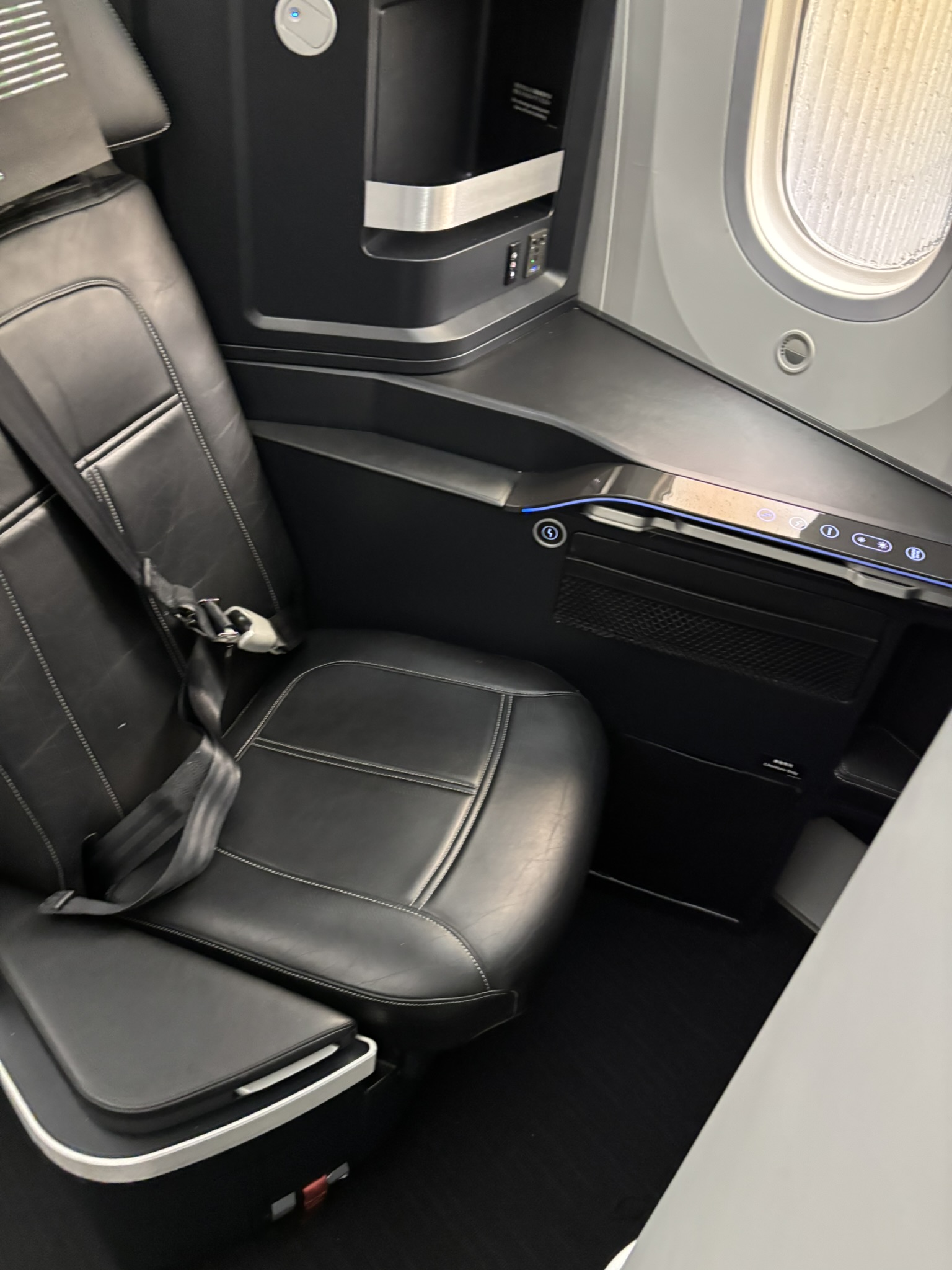
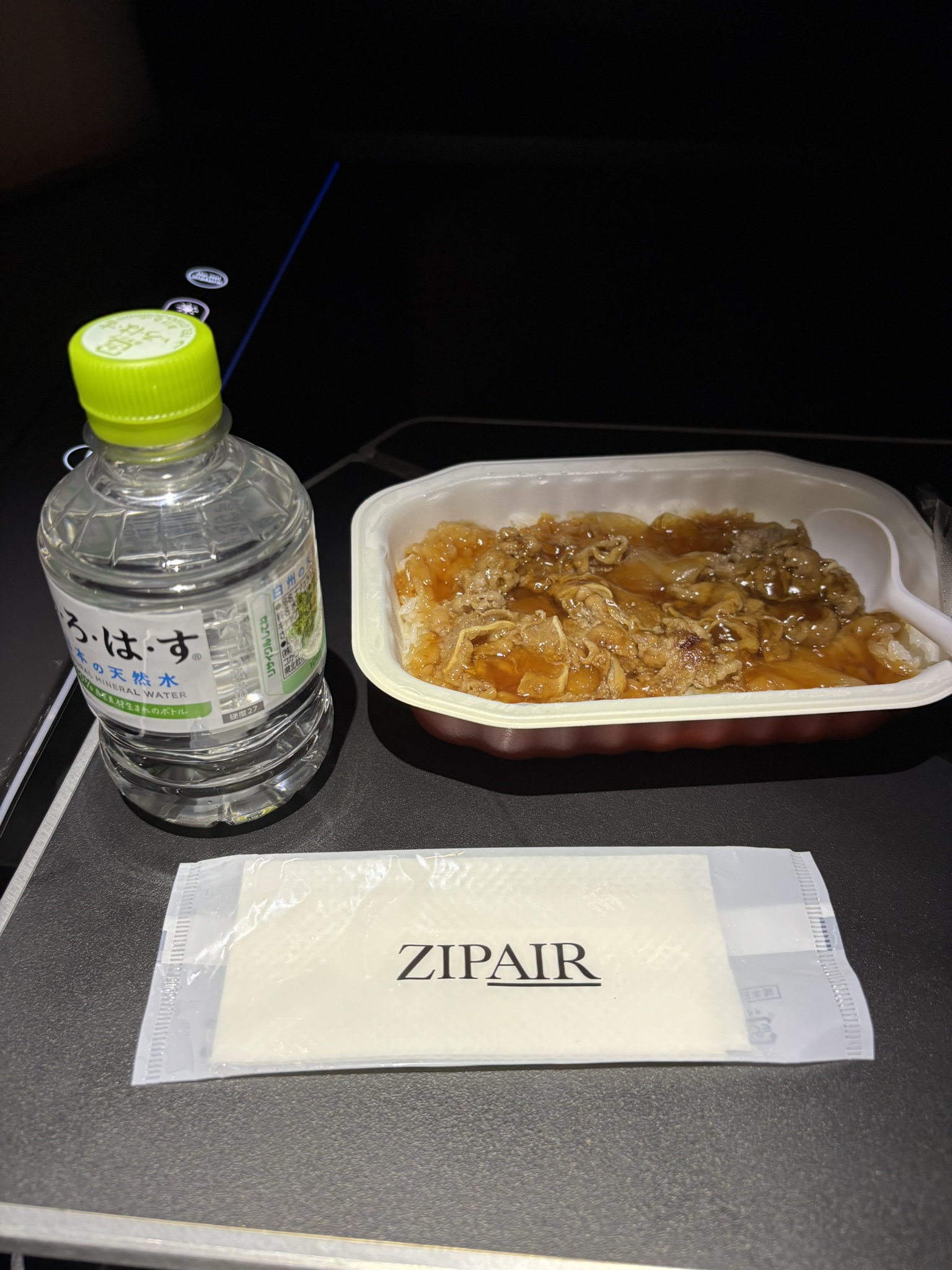
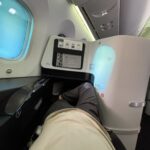
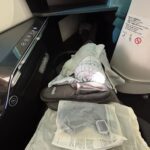
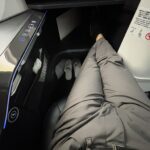
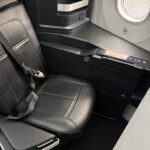
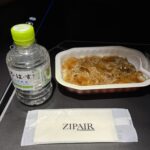
ZIPAIR’s full-flat seat option often costing less than $2,500 roundtrip has become extremely popular among our Japan tour participants. This is what we call poor man’s business class because with Zipair the passenger has to pay extra for checked luggage and meals regardless of the type of seat purchased. In addition, no priority boarding or frequent flyer points are available. This slimmed-down version of business class suits our guests just fine as all they need is a bed to sleep during the long flights. Zipair itself never promotes their full-flat seats as business class because the airline does not provide any bells and whistlers associated with business class travel. Anyone needing food and luggage allowance can make the purchase at least 24 hours prior to travel.
The aircraft in use is Boeing 787-800 loaned from the parent company, Japan Airlines.
If you are booked on one of our Japan tours, we’d be glad to assist you with the airfare purchase at no charge.
|
“On a scale of 1 to 5, this tour is 5. It exceeded my expectations.” | Testimonials |
Tokyo – Mt. Fuji – Hakone – Kanazawa – Takayama – Shirakawa-go – Kyoto – Nara – Osaka – Hiroshima – Miyajima – Tokyo
With a focus on history and culture, this premium small-group Japan tour showcases the best of the Land of the Rising Sun. From the present capital of Tokyo to the former imperial seat of Kyoto, Japan’s illustrious blend of ancient traditions with state-of-the-art modernity is on full display. Whether you’re gazing at the majestic Mt. Fuji, savouring fine Japanese cuisine, or discovering centuries-old architectural gems, every moment is designed to awe and inspire.
Important Features
- Small group size – average 16, maximum 20.
- Experienced professional guides.
- Premium hotel accommodations.
- Quality Japanese & Western cuisines.
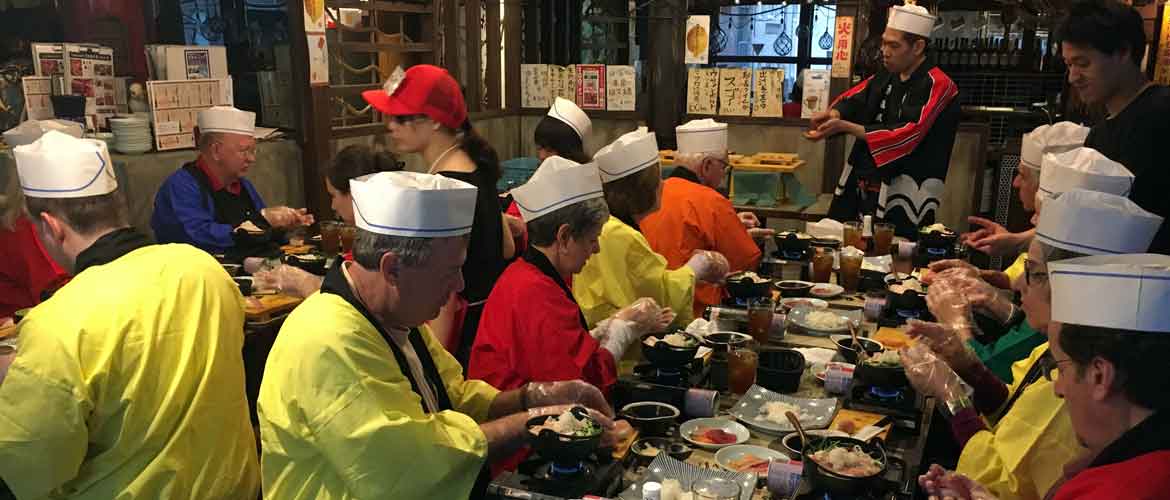
- Sushi making lesson.
- Kaiseki dinner with geisha dancer (maiko) performance.
- Yakiniku (BBQ) dinner featuring premium Japanese beef.
- No shopping stops.
Meal Code: B = breakfast / L = lunch / D = dinner
Day 1/Mon: Departing Home City
The journey begins with your transpacific flight departing from a city of your choice. You’ll lose a day upon crossing the International Date Line.
Day 2/Tue: Arrival in Tokyo
Welcome to Tokyo!
Please make your way to the hotel on your own. Detailed up-to-date information on how to get to the hotel will be provided in the final update two weeks before departure. Private transfer can be arranged on request.
Day 3/Wed: Tokyo (B/L/D)
Tokyo, literally meaning “eastern capital” and officially named Tokyo Metropolis, is one of the most populous mega-cities in the world with a population of 14 million. Formerly known as Edo, the city has been the de facto seat of the Japanese government since 1603 when shogun Tokugawa Ieyasu chose the city for his headquarters. The shogun (general) was a hereditary commander ceremoniously appointed by the emperor but held real power over the country during the shogunate period between 1192 and 1867. Edo was renamed Tokyo after Emperor Meiji moved his seat from Kyoto in 1868 when the last shogun was forced to return power to the imperial court. The city covers an area of 2,187 square kilometres following the merger in 1943 of the city of Tokyo and Tokyo Prefecture.
Our full-day sightseeing begins at the plaza in front of the Imperial Palace. A stroll across the plaza accompanied by commentaries on the imperial family and the history of Tokyo gets the tour off to a good start.
We then proceed to Senso-ji, the oldest Buddhist temple in Tokyo dating back to 628.
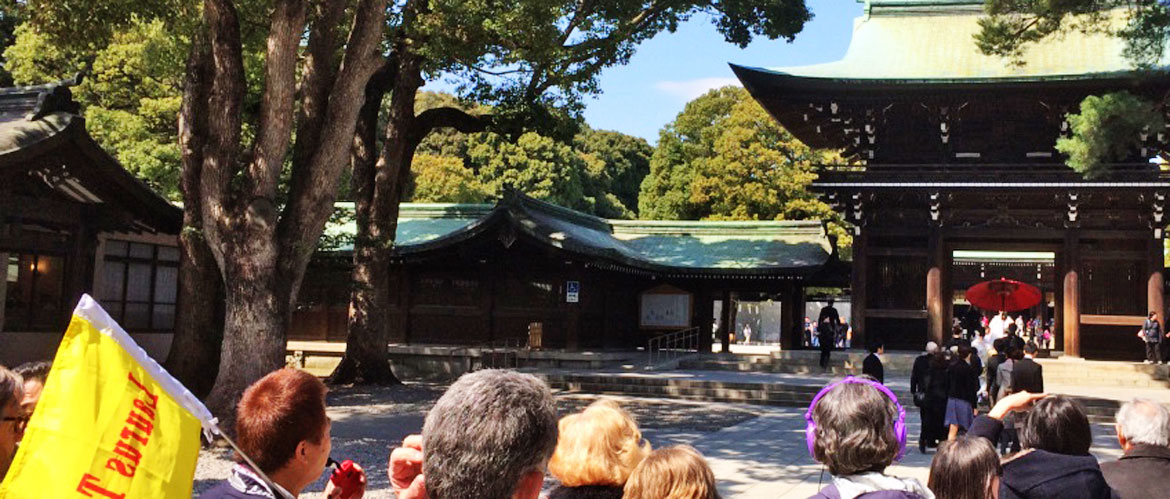
After lunch, we drive through the ritzy Ginza shopping district on the way to Meiji Jingu, a Shinto shrine dedicated to Emperor Meiji (1852 -1912) and his wife.
We end the day with a visit to the observation deck atop the Tokyo Metropolitan Government Building in Shinjuku. On a clear day, the visitor could see the peak of Mount Fuji which is located about 84 km to the west. The building complex completed in 1990 at a cost of US$1 billion consists of three main structures each taking up a city block. The architect of the Tokyo Metropolitan Government Building is Kenzo Tange (1913 – 2005), who in 1987 became the first Japanese to win the Pritzker Prize for Architecture.
Welcome dinner features premium Japanese beef.