Guests booked on our Japan tours often ask about tipping in Japan.
Tipping is not a common practice in Japan, and in many situations, it can even be considered awkward or impolite. Excellent service is standard and part of the culture. This is known as omotenashi (お持て成し), or wholehearted hospitality. Hotel staff, taxi drivers, and restaurant servers generally do not expect tips, and may even politely refuse them. A simple thank-you and respectful attitude go a long way.
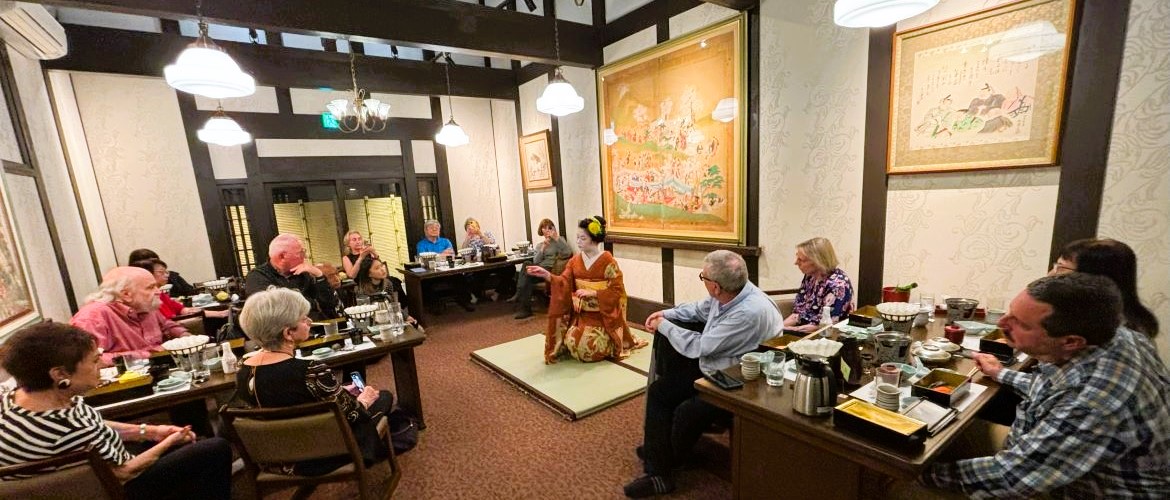
This is quite different from what travellers may be used to in countries like the U.S. or parts of Europe. Interestingly, Japan shares this no-tipping culture with neighbouring countries like China and South Korea, where tipping is also not expected in most situations, specially at local restaurants and with public transportation. That said, in all three countries, if you’re on an organized tour, a discreet tip for your guide may be appreciated, though this is never required.
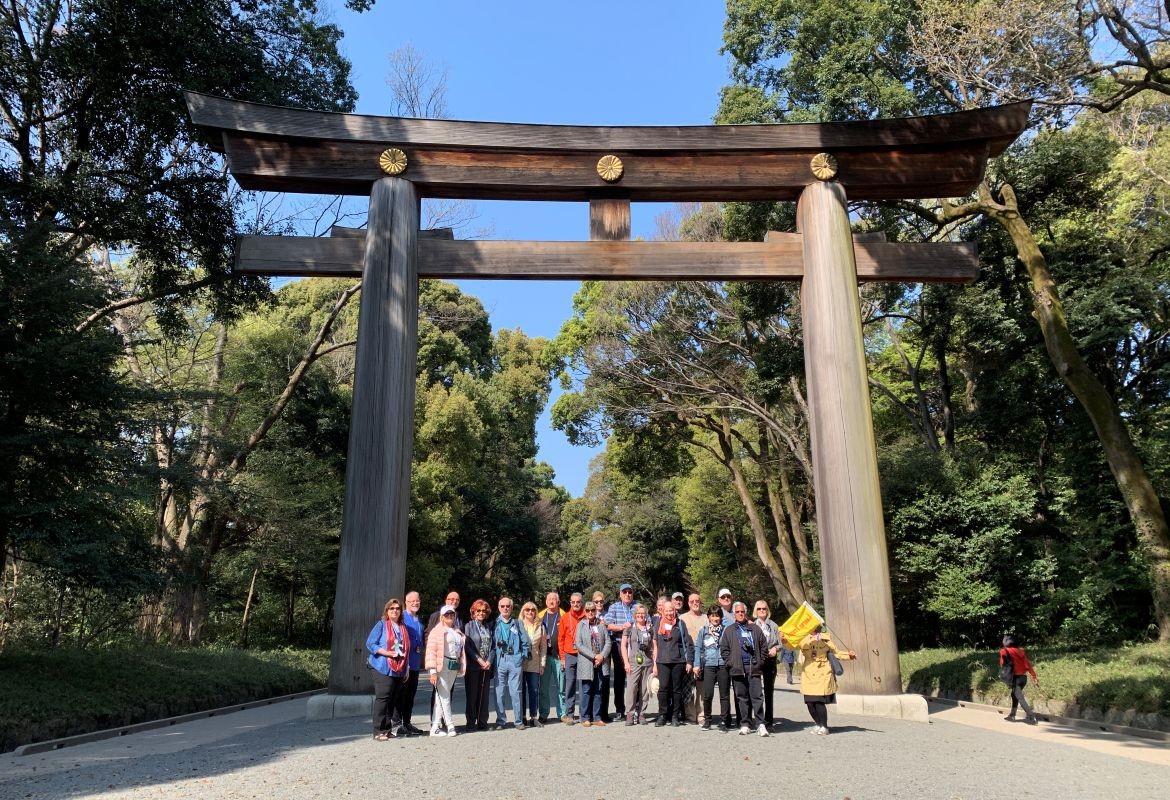
Tipping in Japan – Why It Is Not Customary
Japanese service workers are paid a fair wage and pride themselves on excellent hospitality without an expectation for extra compensation.
If you research the history of tipping in America, you’d realize it has a very ugly origin. Tipping became widespread in the U.S. after the Civil War, particularly in the hospitality and service industries, but it was not for noble reasons. After emancipation, many formerly enslaved Black people found work in jobs like porters, servants, and restaurant staff. Rather than paying them a regular wage, employers expected customers to tip them instead, often using this as an excuse to avoid paying any wage at all. This practice effectively legalized exploitation, as it allowed businesses to profit from unpaid or underpaid labour. It was widely criticized even at the time. In fact, tipping was originally seen as un-American because as a European aristocratic practice it undermined the democratic ideal of fair pay for honest work.
The Japanese culture has no such baggage as described above.
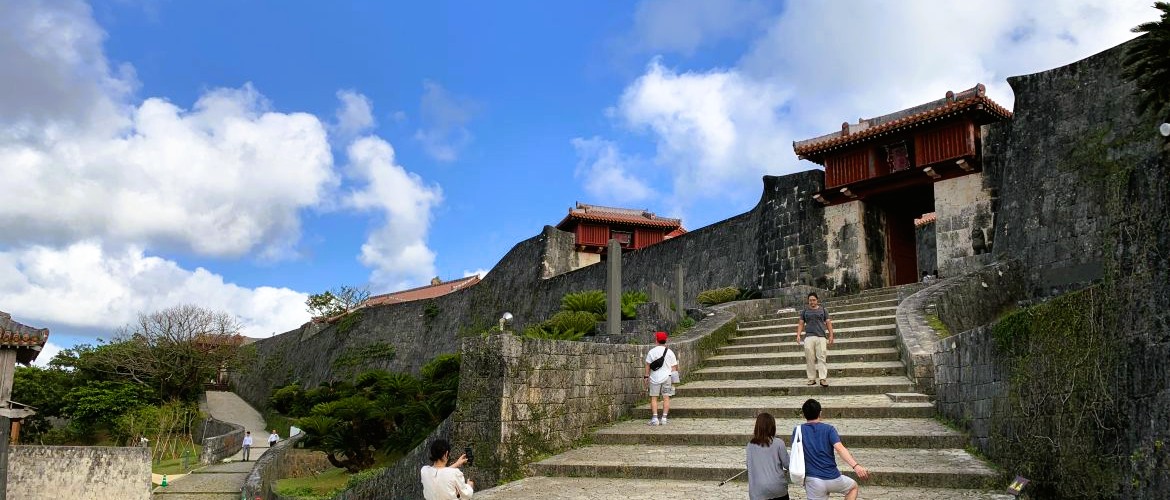
Tipping in Japan – Exceptions
There are exceptions when a small tip (called kokorozuke/心付け) may be appropriate. The exceptions apply to tour guides or attendants at luxury ryokans. In these cases, tips should be given discreetly, ideally in a decorative envelope using clean bills. Additionally, it is sometimes acceptable to politely decline receiving change after paying for an upscale meal or taxi fare, which is considered a thoughtful gesture rather than a formal tip.
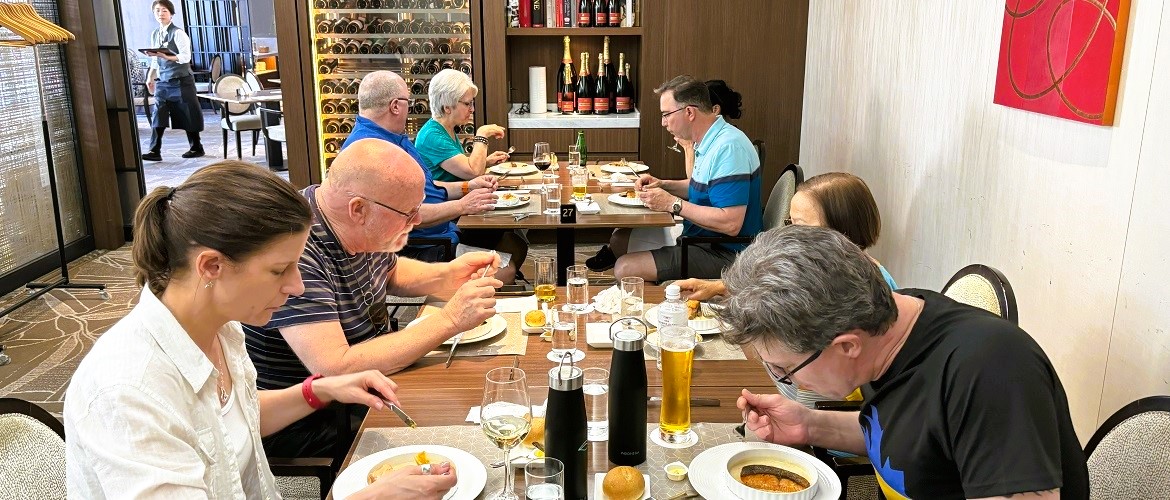
What Happens If You Leave a Tip
Attempting to leave a tip in most places will likely result in the staff returning your money or being uncomfortable, as tipping is not a customary part of Japanese hospitality. Giving a tip in a regular restaurant, bar, or taxi may even be interpreted as an insult or as implying the worker is not paid enough.
How to Show Appreciation
Express gratitude verbally, such as saying “thank you” or using polite Japanese phrases like “arigatou gozaimasu”. If leaving a tip in a rare situation, use a small envelope and present it discreetly. In casual situations, donate loose change to charity boxes commonly found at convenience stores, instead of attempting to tip.
In summary, tipping is neither expected nor encouraged in Japan, and genuine appreciation is best shown through words and respect for local customs.
Any other questions on Japan travel? Let us know.
Happy travels!