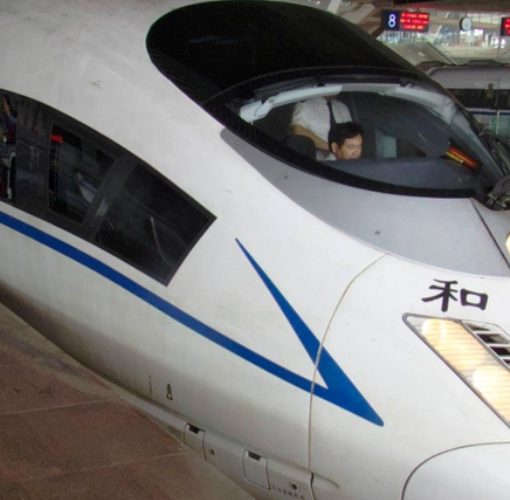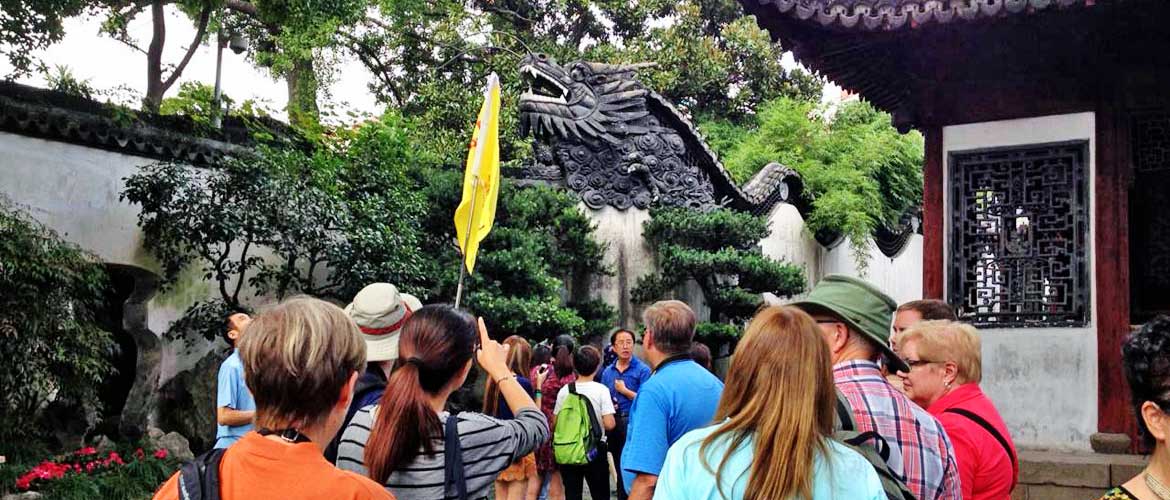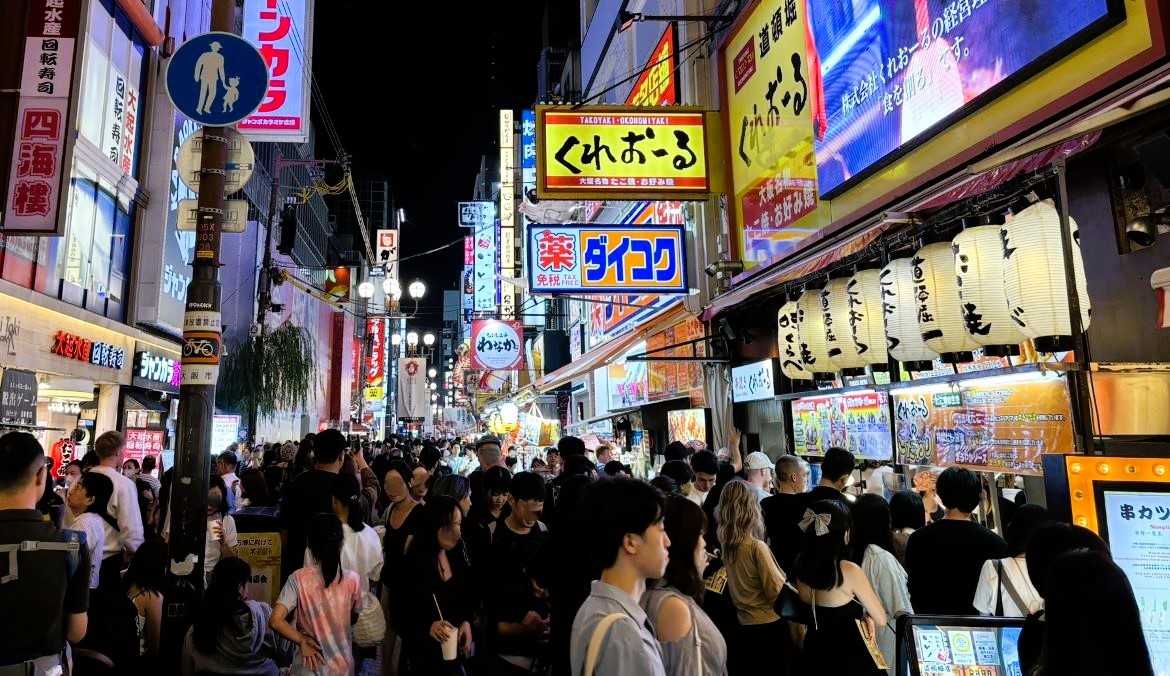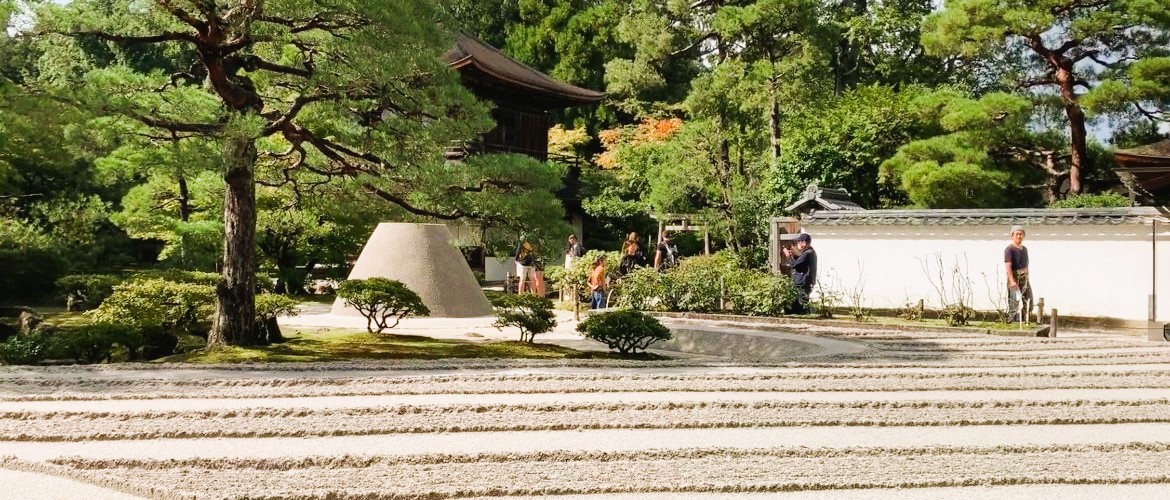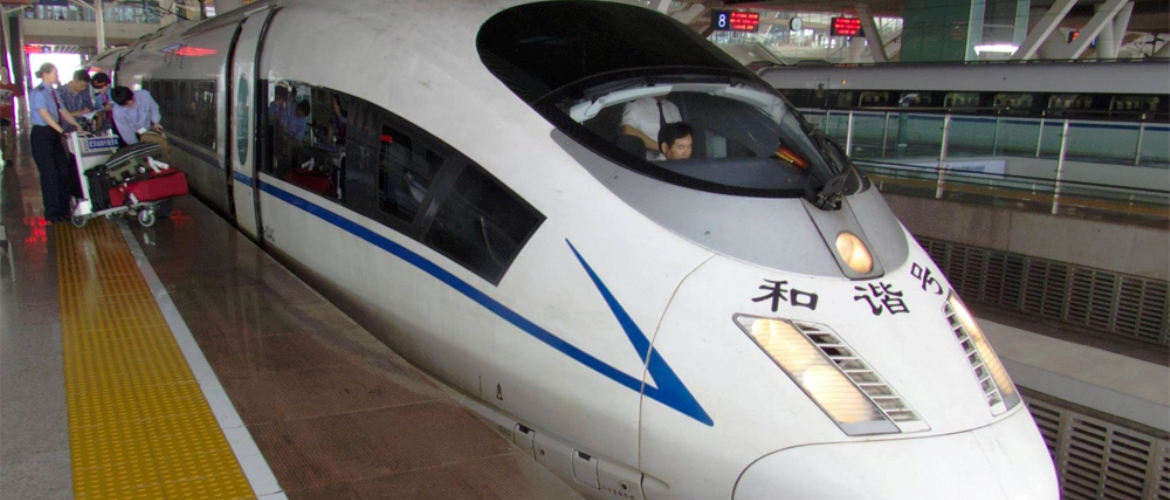
Yes, one may combine Japan, South Korea and China in one trip. But, just don’t expect to do that in two weeks, or else you’ll spend most of your travelling between cities.
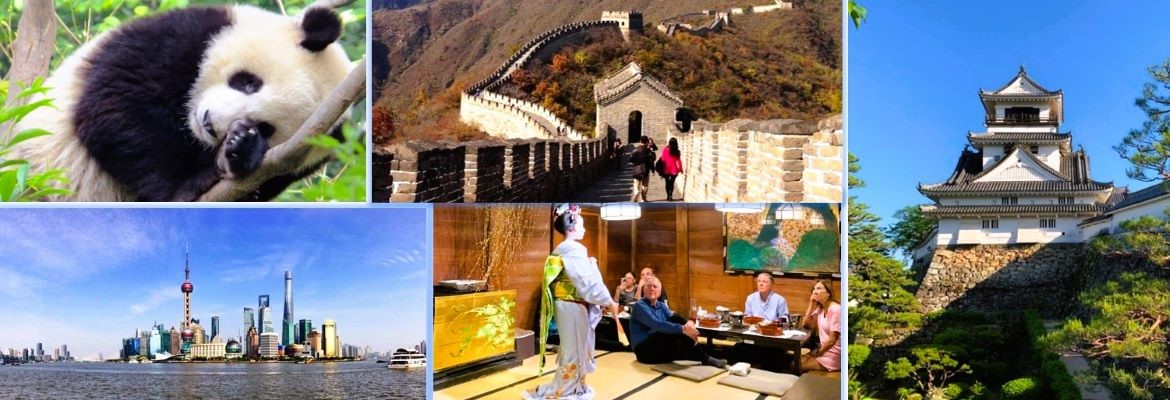
Trying to visit all the major tourist highlights of Japan, South Korea, and China in just two weeks sounds exciting, but in reality it’s an impossible goal. The main reason is simply the geographical scale involved. China alone is nearly the size of Europe, and its famous attractions—such as the Great Wall, the Forbidden City, the Terracotta Army, and the landscapes of Guilin or Zhangjiajie—are spread thousands of kilometers apart. Japan, too, stretches across multiple islands, with major cultural and historical sites scattered from Tokyo and Kyoto to Hiroshima, Hokkaido, and beyond. Even South Korea, though smaller, requires meaningful travel time to move between places like Seoul, Busan, Gyeongju, and Jeju Island.
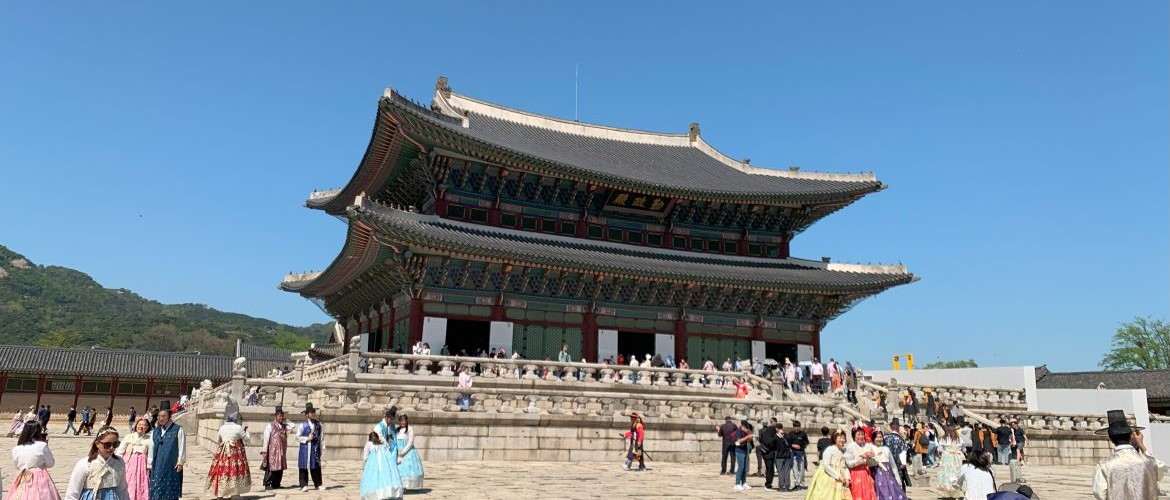
International travel between these countries also consumes more time than many travellers expect. Each border crossing involves airport transfers, check-in, security, the flight itself, and immigration procedures, often adding up to at least half a day lost every time you move from one country to another. Once within each country, internal travel takes even more time. While high-speed trains ease some of the burden, getting to major attractions still requires local transportation, and the distances in China particularly make domestic flights almost unavoidable.
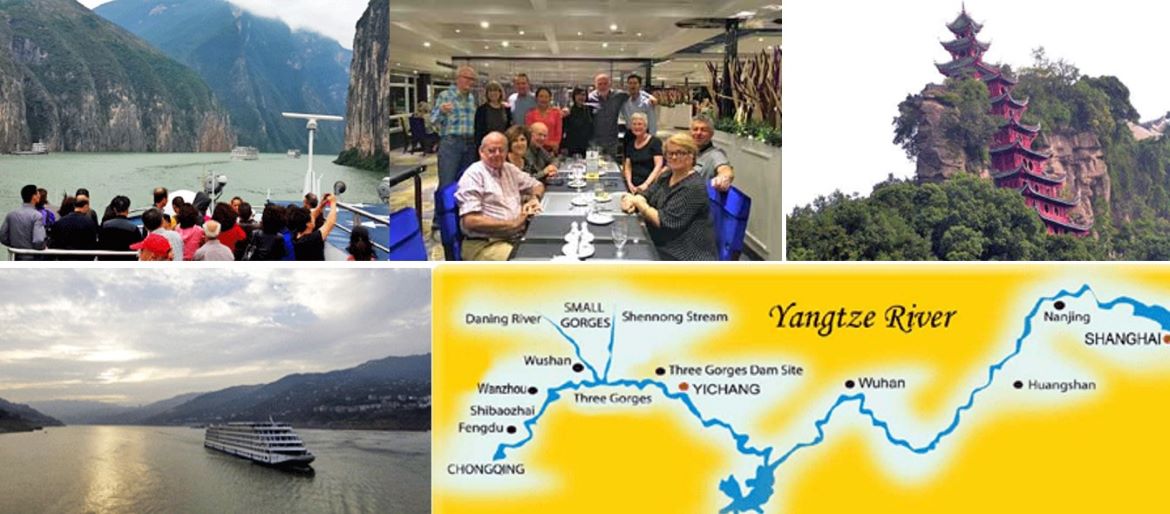
Another challenge is the sheer number of “must-see” destinations. Japan and China could easily fill a two-week itinerary on its own, even if you limited yourself to just the most iconic spots. Trying to compress three rich and complex cultures into fourteen days turns the journey into a frantic checklist, leaving little room for meaningful experiences, relaxation, or cultural immersion.
Ultimately, the combination of vast geography, transit time, and an overwhelming number of highlights makes such an ambitious three-country itinerary unworkable. A more rewarding approach is to focus on one country—or at most two—and truly enjoy the depth each has to offer.

What is Laurus Travel’s Solution?
Spend 4 weeks or longer trying to achieve your goal. Here is a recommended itinerary:
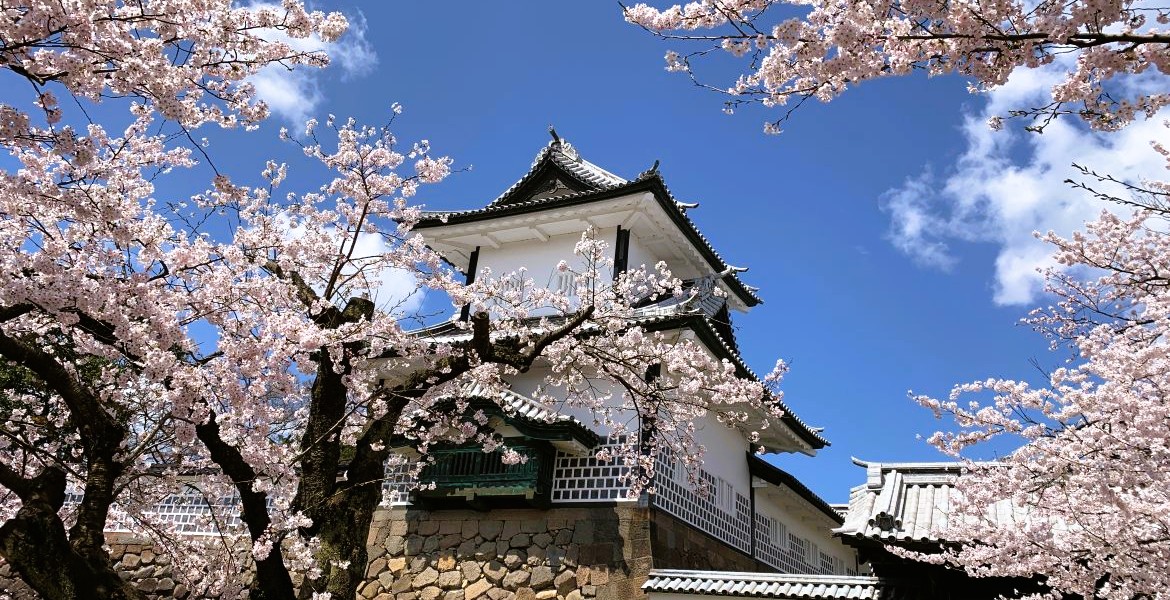
Best of Japan, South Korea & China (29 days)
Tokyo – Mt. Fuji – Hakone – Kanazawa – Shirakawa-go – Takayama – Kyoto – Nara – Osaka – Hiroshima – Miyajima – Nagasaki – Busan – Gyeongju – Seoul – Beijing – Xi’an – Chengdu – Shanghai
Designed by East Asia travel experts based on decades of personal experiences, this grand tour of Japan, South Korea and China is your ultimate East Asia adventure. Our unrivalled expertise, expert guides, and meticulous attention to detail ensure that every moment of your journey is filled with discovery and delight. Immerse yourself in the wonders of Japan, South Korea and China with a travel partner committed to turning your dreams into reality.
Important Features
- Exceptional guides handpicked by company owners.
- Small group size (20 maximum).
- Premium accommodations.
- Quality local & Western cuisines.
- No forced shopping stops of any kind.
- Immersive cultural events per itinerary.
Meal Code: B = breakfast / L = lunch / D = dinner
Day 1/Mon: Departing Home City
The journey begins with your transpacific flight departing from a city of your choice. You’ll lose a day upon crossing the International Date Line.
Day 2/Tue: Arrival in Tokyo
Welcome to Tokyo!
Please make your way to the hotel on your own. Detailed up-to-date information on how to get to the hotel will be provided in the final update two weeks before departure. Private transfer can be arranged on request.
Day 3/Wed: Tokyo (B/L/D)
Tokyo, literally meaning “eastern capital” and officially named Tokyo Metropolis, is one of the most populous mega-cities in the world with a population of 14 million. Formerly known as Edo, the city has been the de facto seat of the Japanese government since 1603 when shogun Tokugawa Ieyasu chose the city for his headquarters. The shogun (general) was a hereditary commander ceremoniously appointed by the emperor but held real power over the country during the shogunate period between 1192 and 1867. Edo was renamed Tokyo after Emperor Meiji moved his seat from Kyoto in 1868 when the last shogun was forced to return power to the imperial court. The city covers an area of 2,187 square kilometres following the merger in 1943 of the city of Tokyo and Tokyo Prefecture.
Our full-day sightseeing begins at the plaza in front of the Imperial Palace. A stroll across the plaza accompanied by commentaries on the imperial family and the history of Tokyo gets the tour off to a good start.
We then proceed to Senso-ji, the oldest Buddhist temple in Tokyo dating back to 628.
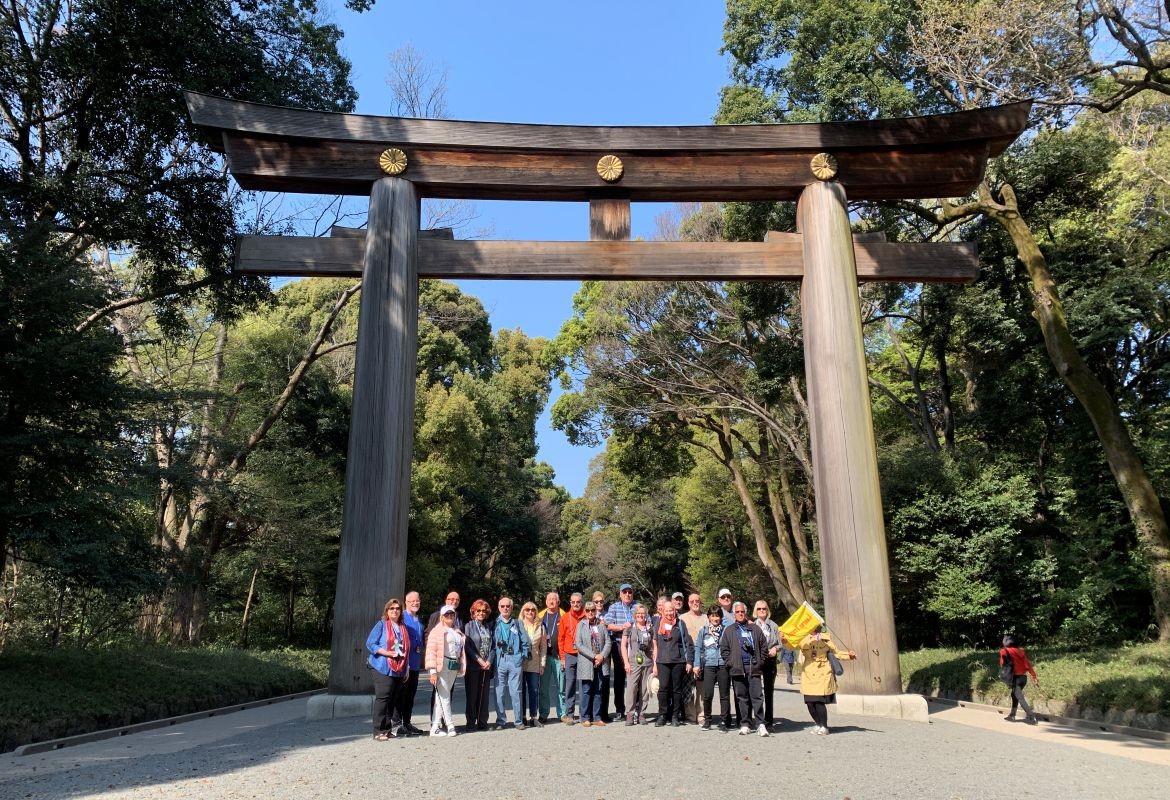
After lunch, we drive through the ritzy Ginza shopping district on the way to Meiji Jingu, a Shinto shrine dedicated to Emperor Meiji (1852 -1912) and his wife.
We end the day with a visit to the observation deck atop the Tokyo Metropolitan Government Building in Shinjuku. On a clear day, the visitor could see the peak of Mount Fuji which is located about 84 km to the west. The building complex completed in 1990 at a cost of US$1 billion consists of three main structures each taking up a city block. The architect of the Tokyo Metropolitan Government Building is Kenzo Tange (1913 – 2005), who in 1987 became the first Japanese to win the Pritzker Prize for Architecture.
Welcome dinner features premium Japanese beef.
Day 4/Thu: Tokyo – Mt. Fuji – Hakone – Tokyo (B/L)
We depart at 7:45 AM for a full-day excursion to Mt Fuji and Hakone.
Mt. Fuji, the highest mountain (3,776 metres) in Japan, is a two-hour drive from Tokyo. We stop by the Fujisan World Heritage Center to view the summit and learn about the history, formation and ecology of Mt. Fuji through exhibits and a short film. However, it is purely a matter of luck whether the summit is visible as Mt. Fuji is often shrouded in clouds. Our schedule does not include hiking the mountain – the trails are open between July and early September and it would take the average person at least six hours to hike to the summit even if one starts from the highest station at 2,305 metres above sea level.