If you are looking for best winter destinations in Asia for Canadians, we highly recommend Cambodia, Thailand, Vietnam, Malaysia and Indonesia.

Trump’s tariff war and unfriendly border control measures are making many Canadians, including the half million Snowbirds who winter in Florida and other southern US states every year, hesitate to go to the United States. Naturally, Canadians are seeking alternatives to the United States for travel destinations.
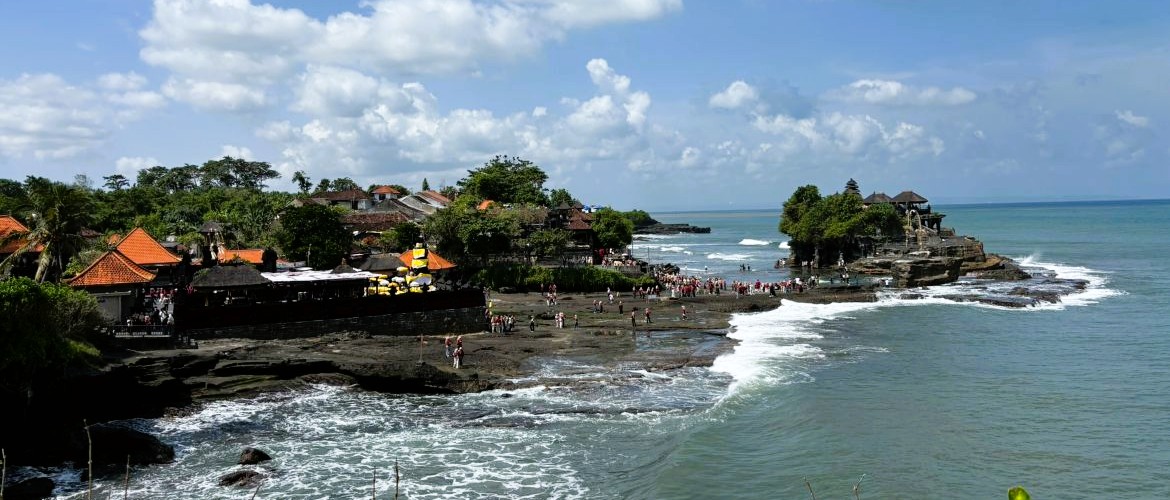
While summer is nice back home, winter is fast approaching. While you are busy planning your winter vacations, please take our advice and consider Southeast Asia, especially Cambodia, Thailand, Vietnam, Malaysia and Indonesia. These countries are truly among the best winter destinations in Asia for Canadians because of their balmy winter weather, rich and diverse cultures, low crime rates, and political stability. This is a region where your Canadian dollar goes far.
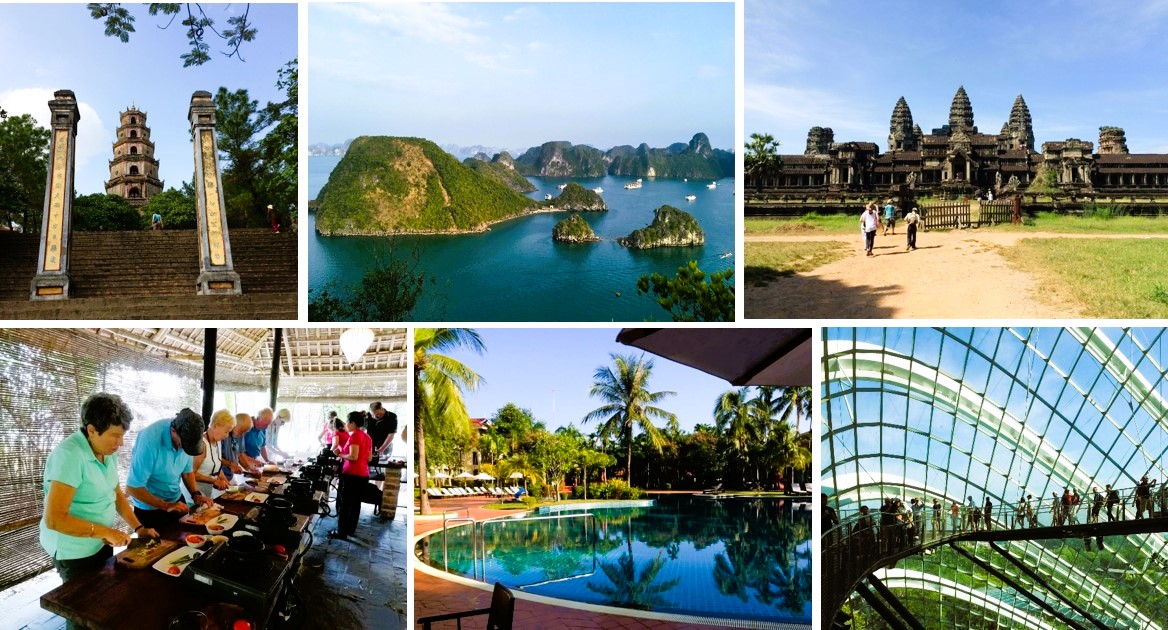
Best Winter Destinations in Asia for Canadians
Recommended Itinerary – Essential Cambodia & Thailand (18 days)
Phnom Penh – Siem Reap – Bangkok – Ayutthaya – Kanchanaburi – Uthai Thani – Sukhothai – Si Satchanalai – Chiang Rai – Golden Triangle – Chiang Mai – Bangkok
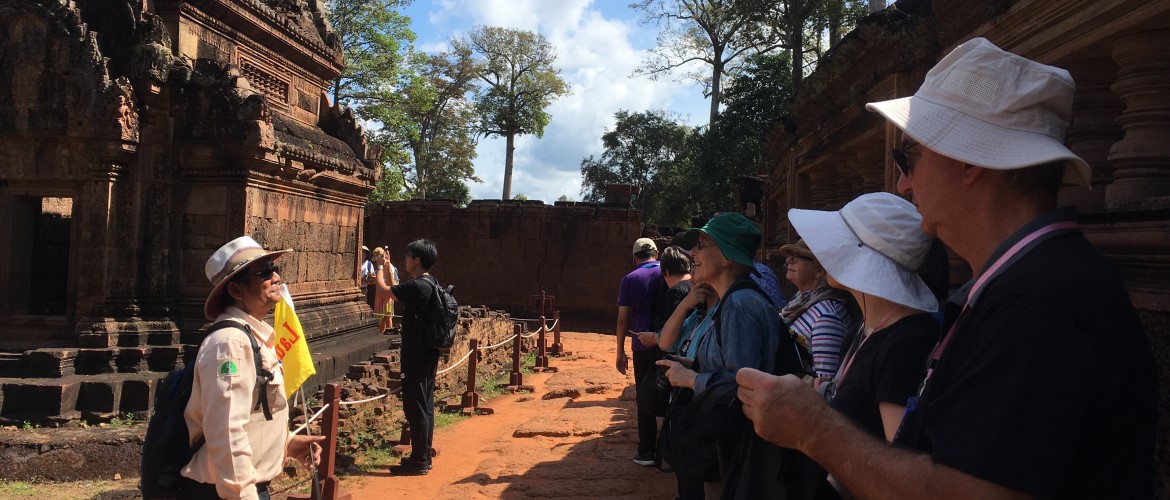
Join us on this magnificent journey of discovery and marvel at the brilliant cultural and historical monuments of Cambodia and Thailand. This meticulously crafted itinerary is packed with UNESCO World Heritage Sites and lets you travel in style.
Important Features
- Small group size.
- Experienced professional guides.
- No forced shopping stops.
- Quality, authentic local & Western cuisines.
- Unlimited supply of bottled water.
- Free Wi-Fi in all hotels.
Meal Code: B = breakfast / L = lunch / D = dinner
Day 1/Fri: Depart Home City
The journey begins with your transpacific flight departing from a city of your choice. You’ll lose a day upon crossing the International Date Line.
Day 2/Sat: Arrival in Phnom Penh
Welcome to Phnom Penh! Meet your guide on arrival and transfer to the hotel. The remainder of the day is at leisure.
Day3/Sun: Phnom Penh (B/L/D)
Located at the confluence of three rivers (Tonlé Sap, Mekong and Bassac), Phnom Penh is the capital of Cambodia and also the wealthiest and most populous city in the country. Out of a total population of 17 million, 2.2 million of them live in Phnom Penh.
Phnom Penh first became the capital of Cambodia after Ponhea Yat, king of the Khmer Empire, moved the capital from Angkor Thom after it was captured and destroyed by Siam (Thailand). Phnom Penh remained the royal capital for 73 years—from 1432 to 1505 before it was abandoned for 360 years (1505 – 1865) by subsequent kings due to internal fighting between the royal pretenders. Later kings moved the capital several times and established their royal capitals at various locations in Tuol Basan (Srey Santhor), Pursat, Longvek, Lavear Em and Udong. It was not until 1866, under the reign of King Norodom I (1860–1904), the eldest son of King Ang Duong, who ruled on behalf of Siam, that Phnom Penh became the permanent seat of government and capital of Cambodia again.
Beginning in 1870, the French colonialists built this riverside village into a city with hotels, hospitals, schools, prisons, barracks, banks, public works offices, telegraph offices, law courts and so on. In 1872, the first glimpse of a modern city took shape when the colonial administration employed the services of French contractor Le Faucheur to construct the first 300 concrete houses for sale and rental to the Chinese traders. By the 1920s, Phnom Penh was known as the Pearl of Asia, and over the next four decades the city continued to experience rapid growth with the building of railways to Sihanoukville and Pochentong International Airport (now Phnom Penh International Airport).
During the Vietnam War, Cambodia was used as a base by the Viet Cong’s North Vietnamese Army. Thousands of refugees from across the country flooded the capital to escape the fighting between the various factions, thus increasing the population of Phnom Penh to reportedly 3 million. The Khmer Rouge captured the city on April 17, 1975 and started to forcibly evacuate the entire city soon after. All of its residents, including the wealthy and educated, were forced into the countryside to do manual labour so that they could become “new people” according to the Khmer Rouge. Tuol Sleng High School was turned into a prison camp known as S-21, where people were detained and tortured. Pol Pot sought a return to an agrarian economy and therefore killed many people perceived as lazy or political enemies. The Khmer Rouge was driven out of Phnom Penh by the Vietnamese in 1979, and people began to return to the city. Vietnam is historically a state with which Cambodia has had many conflicts; therefore, this liberation was and is viewed with mixed feelings by the Cambodians. A period of reconstruction began, spurred by the continuing stability of government, new foreign investment and international aid.
Our sightseeing today includes the Royal Palace Complex and the National Museum.
Day 4/Mon: Phnom Penh (B/L)
Today we visit Tuol Sleng Genocide Museum and Choeung Ek Killing Fields. These sites may be too much for the visitor to stomach, but they embody an important period in the country’s history no matter how repugnant that period is in our common memory.
Tuol Sleng Genocide Museum is on the same site of the high school turned prison known as S-21. Inside, Khmer Rouge’s torture devices and photos of their victims are on display. If you have read about Tuol Sleng and feel the gruesome scenes may be too disturbing, you may instead opt for a walk through the neighbourhood outside the former high school.
Choeung Ek (The Killing Fields) is 15 kilometers from the city centre. It was one of the mass grave sites of the victims of the Khmer Rouge regime.