Why Online Reviews Don’t Tell the Whole Story

Choosing the right tour company can make the difference between a memorable journey and an expensive disappointment. With hundreds of companies competing for your business, online reviews may seem like the obvious place to start.
Reviews are certainly useful, but they should not be the deciding factor.
The number of reviews a tour company has can be influenced by its size, the age and habits of its customers, how aggressively it solicits reviews and even how easy its preferred review platform is to use. A company with thousands of online reviews is not necessarily better than one with a few hundred.
Instead of simply counting stars and reviews, look more closely at what you are actually buying.

Start With the Itinerary
A well-designed itinerary is one of the clearest signs of a knowledgeable tour operator.
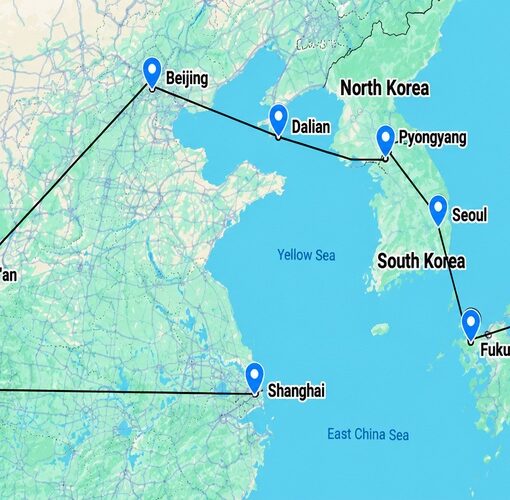
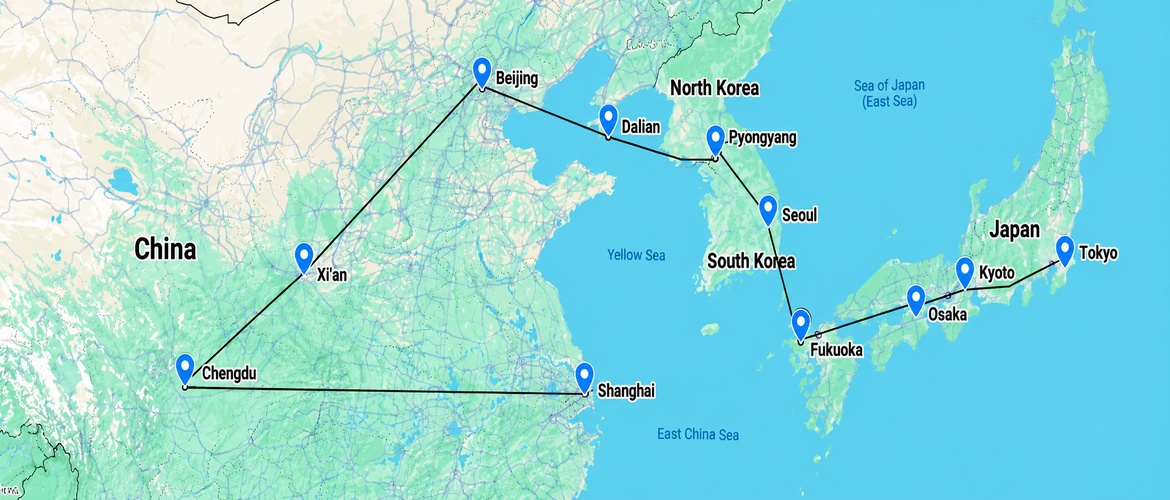
Look beyond the list of famous attractions. Examine how the trip flows from one destination to another. Are there too many one-night hotel stays? Does the itinerary require unnecessary backtracking? Are travellers spending excessive amounts of time on buses when a train or short flight would make more sense?
Also look at the pace. An itinerary that promises to show you everything may look impressive on paper, but sightseeing from early morning until evening every day can quickly become exhausting, particularly on a longer journey.
Good itinerary design requires more than knowing what tourists want to see. It requires first-hand knowledge of distances, transportation, opening hours, traffic conditions and how much people can comfortably accomplish in a day.

Consider the Group Size
Two tours visiting exactly the same destinations can provide very different experiences simply because of group size.
Large groups can mean more time spent waiting for people to assemble, checking into hotels, boarding buses and using washrooms. They can also make it harder to hear the guide, ask questions or adjust the day’s activities when circumstances change.
Small groups generally allow more flexibility and personal attention, but do not assume that every company advertising “small group travel” means the same thing. Check the actual maximum group size.
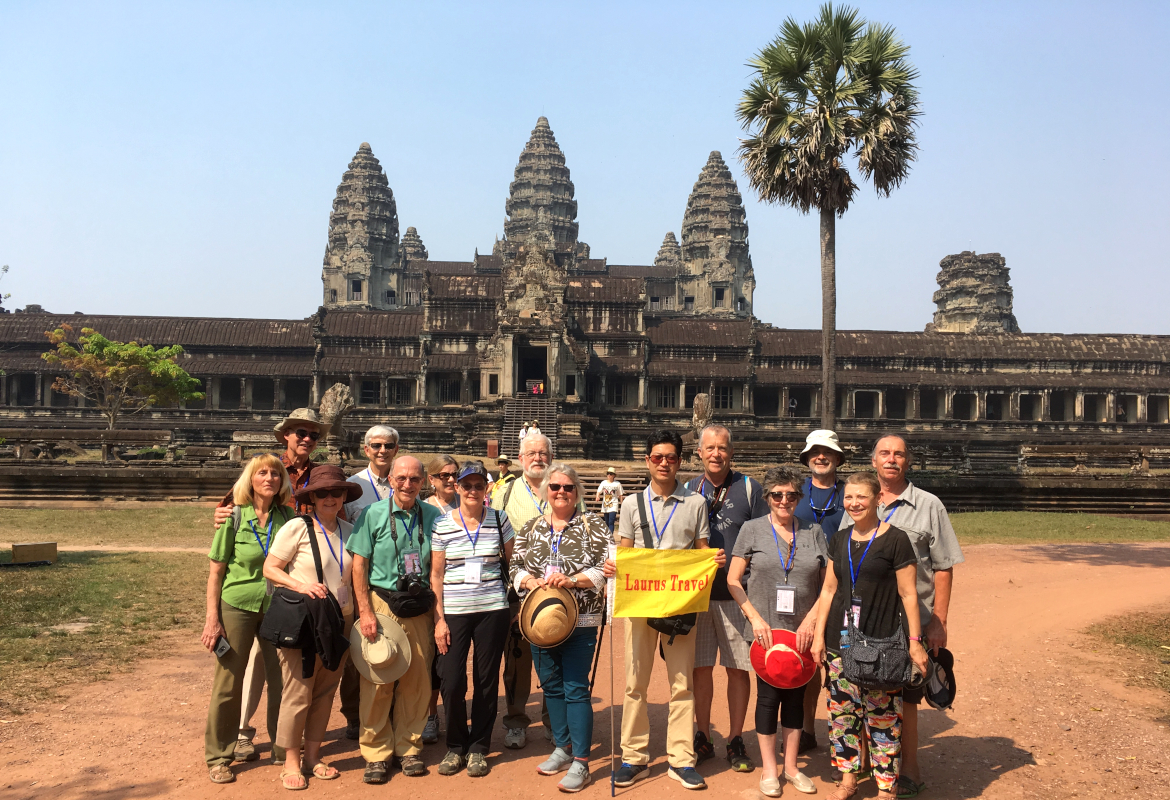
At Laurus Travel, for example, our groups average about 15 travellers, with a maximum of 25. We believe this is an important distinction, so we state the numbers rather than relying solely on the phrase “small group.”
Related article: Small Group Size at Laurus Travel
Find Out What the Tour Price Really Includes
Comparing tour prices can be surprisingly difficult because companies package their tours differently.
One tour may appear considerably cheaper until you discover that many meals, excursions, gratuities, airport transfers or entrance fees cost extra. Another may have a higher initial price but include most of these expenses.
Optional excursions deserve particular attention. If several of the destination’s major attractions are sold as optional extras, the advertised tour price may not represent what you are likely to spend.
The same applies to tipping. On some tours, travellers are expected to contribute substantial amounts for guides, drivers and tour leaders during the trip. Other companies include gratuities in the tour price.
Compare what you receive, not simply the number printed at the top of the page.

Look Carefully at Hotels and Meals
Hotel star ratings alone tell you surprisingly little.
Location can be just as important as luxury. A comfortable hotel within walking distance of restaurants, shops and attractions may provide a much better travel experience than a more impressive property far from the places you came to see.
Meals deserve similar scrutiny, especially on tours where many are included.
Ask whether groups routinely eat in hotel restaurants or tourist-oriented establishments, or whether the tour company makes an effort to introduce travellers to good local restaurants. Food is an important part of experiencing countries such as China, Japan, South Korea, Vietnam, Thailand and India. It should not merely be a logistical necessity.
Examine the Company’s Destination Expertise
There is a difference between a company that sells a destination and one that knows it well.
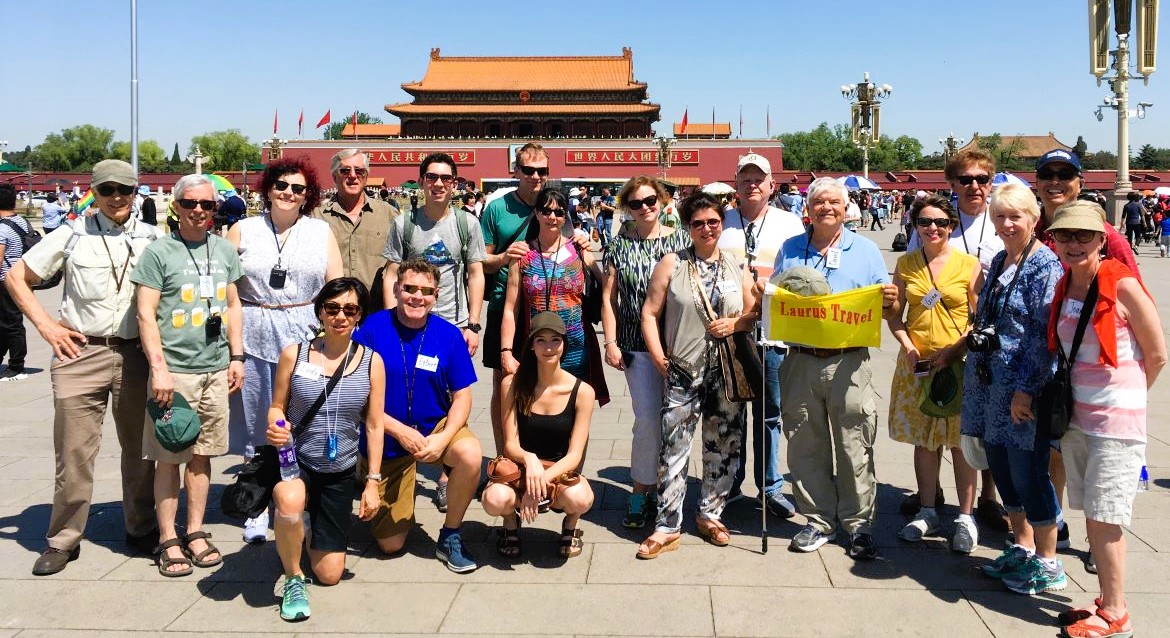
Experience matters. Laurus Travel has been operating tours to Asia since 1998, and many of our itineraries have been refined over decades through first-hand experience and customer feedback.
How long has the company been operating tours there? Does the itinerary demonstrate detailed local knowledge? Does the company explain why particular hotels, transportation methods or destinations were chosen?
This becomes increasingly important when travelling through countries where language, transportation systems and cultural differences make independent problem-solving more difficult.
A knowledgeable tour operator should also know when not to include something. Sometimes good travel planning means eliminating an attraction, hotel or destination that looks appealing in a brochure but does not work particularly well in practice.

Read Online Reviews, But Read Them Intelligently
Online reviews can reveal a great deal, especially when you look for patterns rather than individual complaints or compliments.
Pay attention to what travellers repeatedly say about guides, hotels, meals, organization, pacing and customer service. Detailed reviews describing specific experiences are usually more informative than a simple five-star rating.
But review volume should be treated with caution.
Different tour companies serve different types of customers. Some travellers are active on Google, Facebook and TripAdvisor and routinely review restaurants, hotels and businesses. Others rarely post anything publicly.
We see this regularly at Laurus Travel. Many of our customers are older, experienced travellers. Some value their privacy and simply do not like sharing their opinions with strangers online. Others have told us that they intended to leave a review but found the process of logging into an account, creating a profile or navigating a review platform too troublesome.
We have even had loyal customers who travelled with us four or five times without ever posting a public review.
Their silence clearly did not mean they were dissatisfied.

Repeat Customers Can Tell You More Than Review Counts
This is one of the signals prospective travellers often overlook.
If someone takes one tour with a company and writes a five-star review, that is encouraging.
If someone pays thousands of dollars to travel with the same company again, and then returns for a third, fourth or fifth trip, that behaviour may tell you considerably more.
Travel is expensive. People have countless choices. They are unlikely to repeatedly entrust their holidays and money to a company that disappointed them.
When evaluating a tour operator, therefore, ask whether it has a meaningful number of repeat customers. You may not find that information on Google or TripAdvisor, but it can be a powerful indication of long-term customer satisfaction.

Remember That Unhappy Customers Have More Motivation to Write
There is another reason review counts can be misleading.
A seriously unhappy customer has a strong incentive to tell people what happened. Anger and frustration motivate action. Writing a review provides an outlet and may also be seen as a way of warning others.
A satisfied traveller often behaves differently.
After returning home from a two or three-week journey, there is laundry to do, photographs to sort, family and friends to see, emails to answer and everyday life to resume. Writing an online review that seemed important on the flight home can quickly fall down the priority list.
Some particularly satisfied customers also make the task harder for themselves. Rather than writing “Great trip, highly recommended,” they want to compose something thoughtful that does justice to their experience. They postpone it until they have more time, and sometimes never get around to it.
This does not make reviews unreliable. It simply means they are one piece of evidence rather than a complete measurement of quality.

Find Out How the Company Responds When Something Goes Wrong
No responsible tour operator can promise that everything will always go according to plan.
Flights can be cancelled. Trains can be delayed. Weather can interfere with sightseeing. Hotels can make mistakes. A restaurant can disappoint.
The more important question is what happens next.
Does the company have people who can make decisions quickly? Can travellers reach someone when assistance is needed? Does the operator take responsibility for solving problems, or simply point to circumstances beyond its control?
Interestingly, negative reviews can sometimes be useful here. Look at how a company responds to criticism. A thoughtful, factual response can tell you as much about the company’s character as a collection of glowing reviews.

Watch for Shopping Stops and Other Commercial Detours
This deserves special attention when comparing tours to certain destinations.
Some tours are subsidized in part by commissions from shops selling jewellery, silk, tea, traditional medicine or other products. These visits may be described as cultural experiences, factory visits or demonstrations, but their real purpose can be selling merchandise to tourists.
The cost is not only financial. Shopping stops consume valuable sightseeing time.
If shopping is important to you, there is nothing wrong with including it in your trip. The question is whether you chose it or the tour company chose it for commercial reasons.
Look for clear information about shopping stops before booking.
Related Articles:

Decide Whether the Tour Company Is Right for You
There is no single “best tour company” for every traveller.
A university student looking for an inexpensive adventure through Southeast Asia may have very different expectations from a retired couple celebrating an anniversary in Japan. A traveller who enjoys a group of 40 may not care about small-group travel. Someone who values fine hotels, good restaurants and carefully paced sightseeing probably will.
Before asking, “Which tour company has the best reviews?” ask a more useful question:
Which tour company is best suited to the way I want to travel?
Study the itinerary. Compare group sizes. Examine hotels and meals. Understand what is included. Look at the company’s history and destination expertise. Read reviews carefully, including the negative ones. Consider repeat business and how the company handles problems.
Online reviews should be part of your research, but they should never replace it.
A tour is a significant investment of both money and vacation time. The best way to choose a tour company is not to count its stars, but to understand what happens after you book.